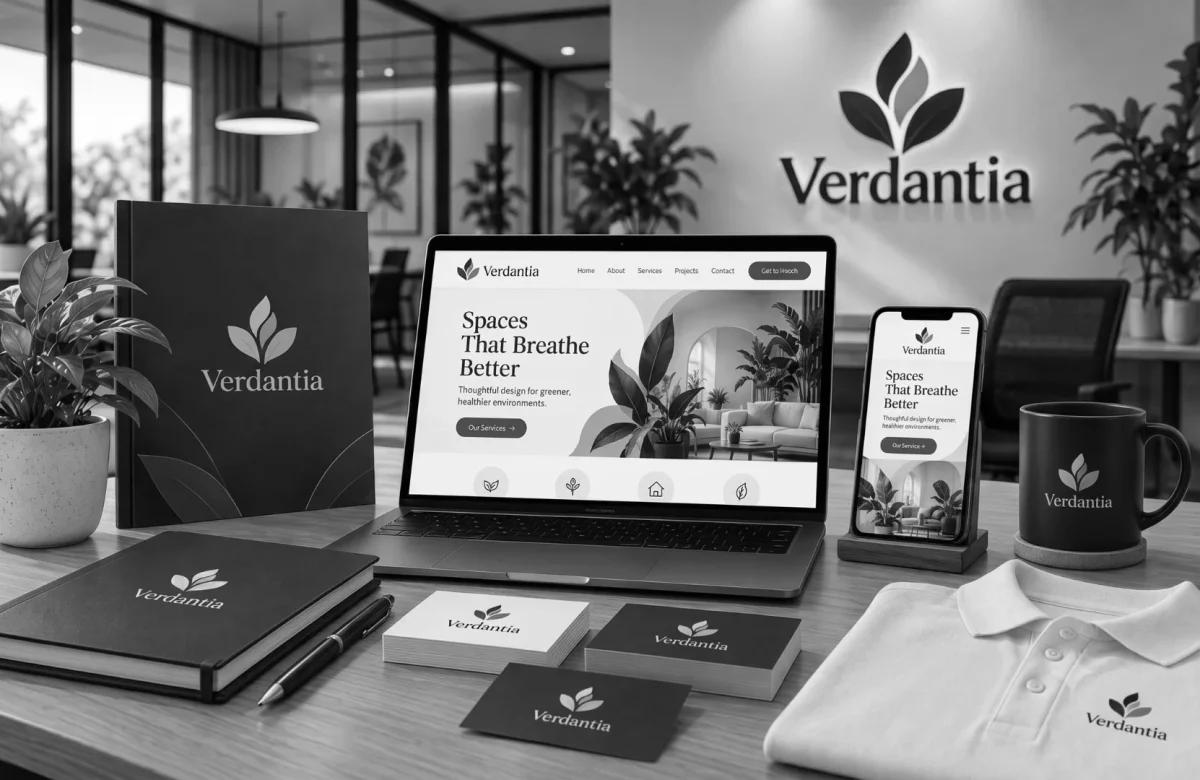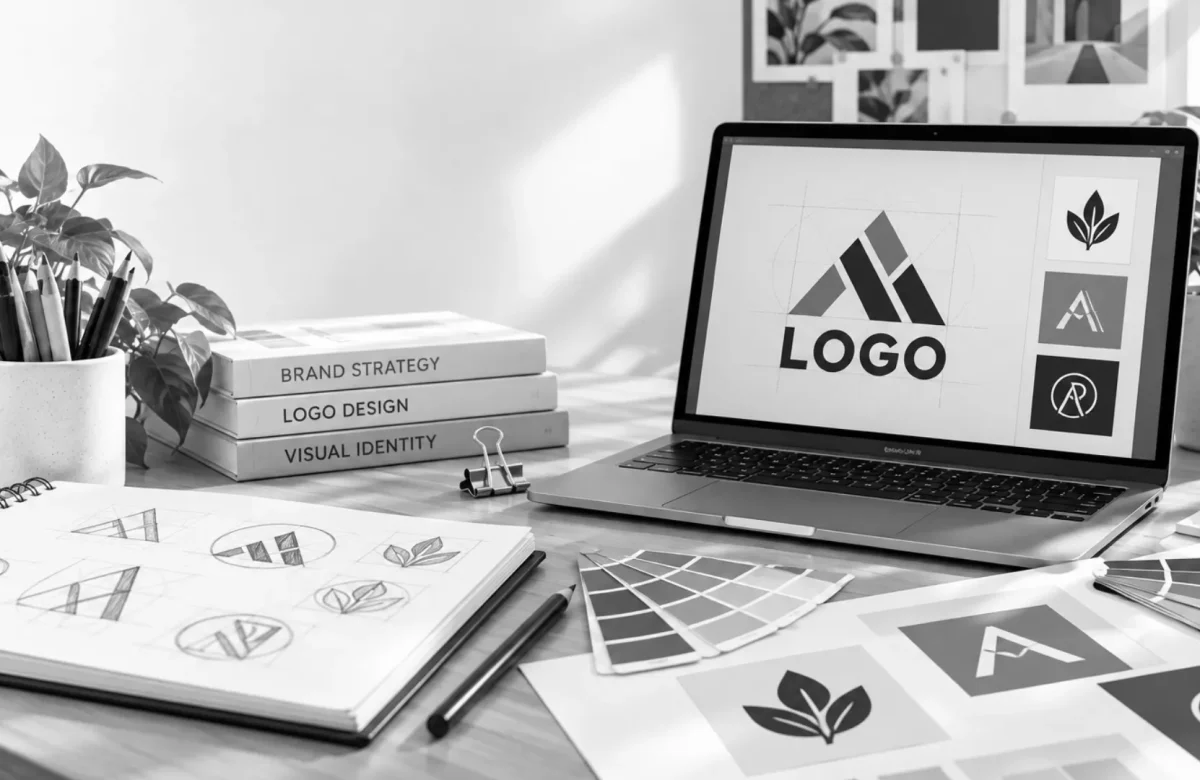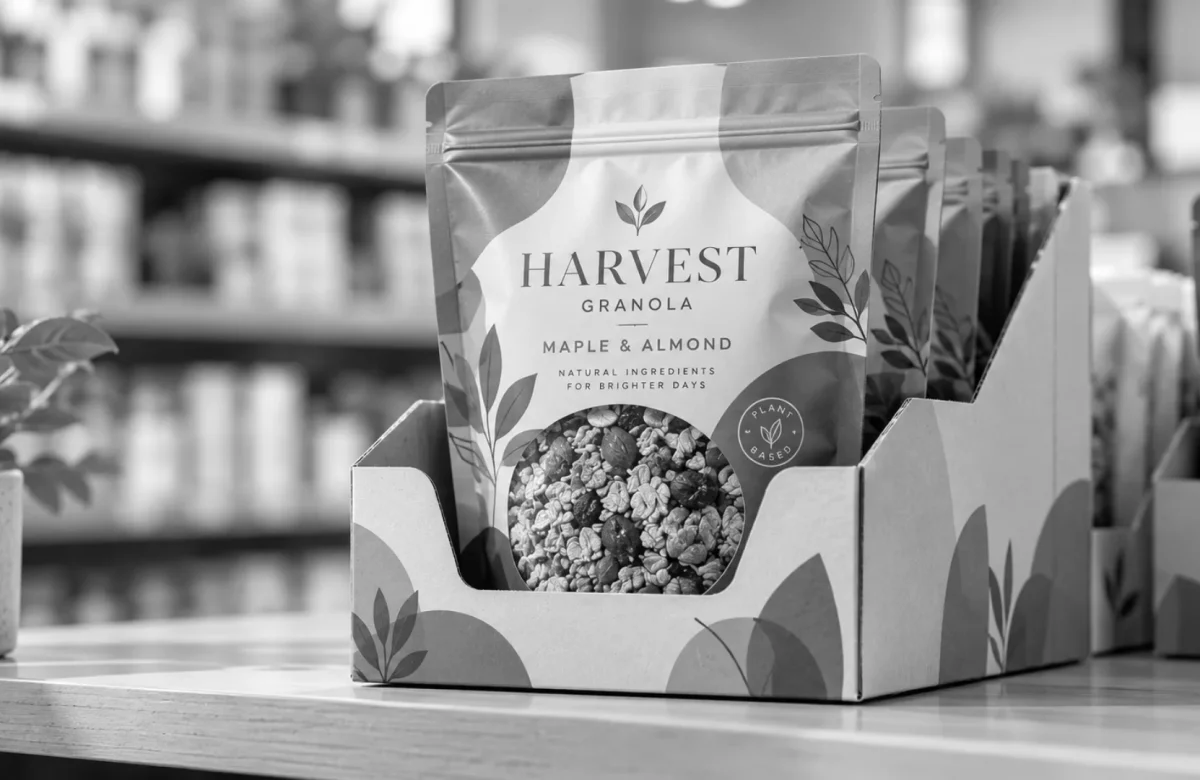
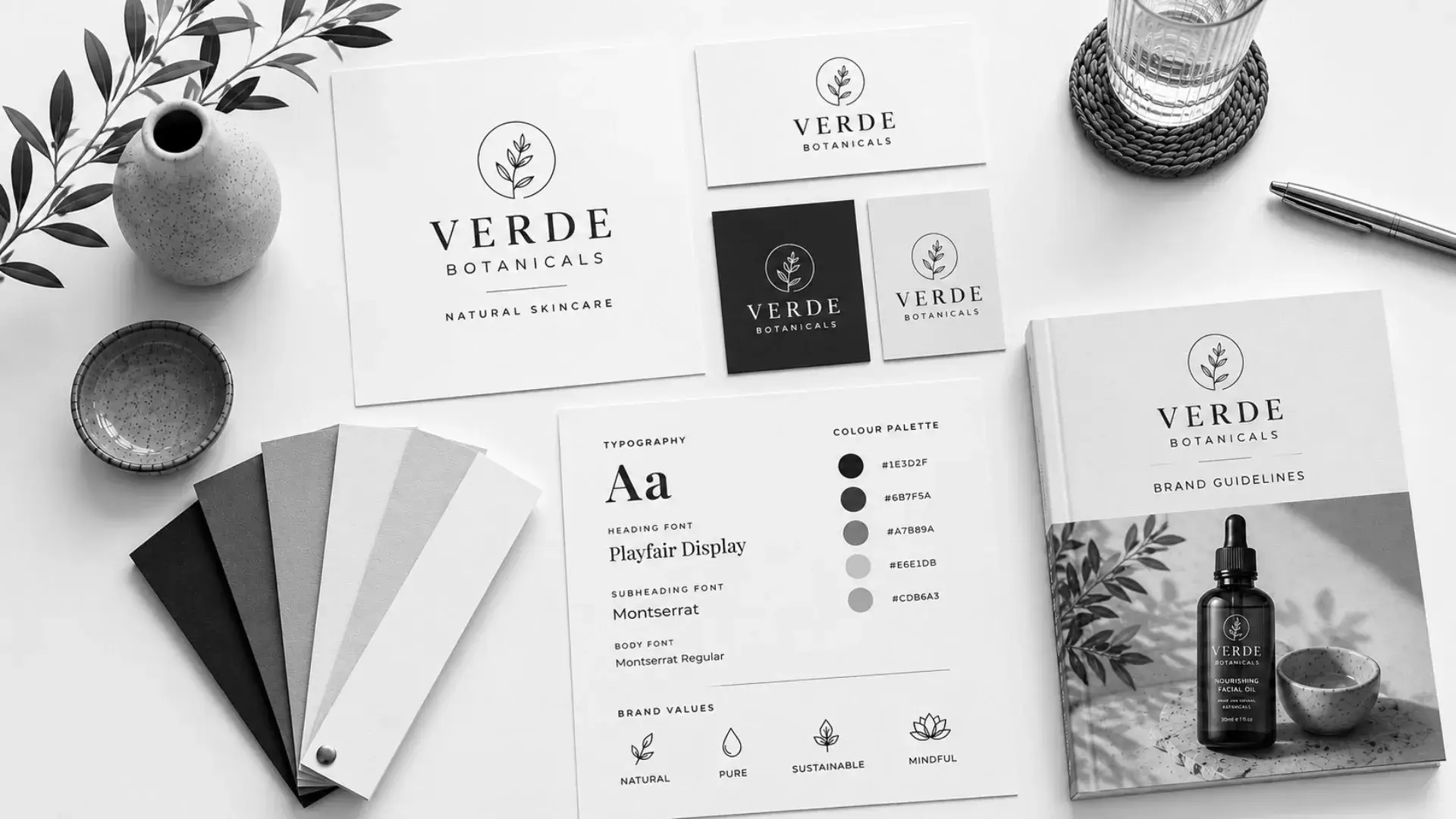
A brand identity package is a complete set of visual and messaging assets that tell the world who your business is. It typically includes a logo suite, colour palette, typography, brand guidelines, and supporting collateral like business cards and social media templates. Together, these elements create a consistent look across every customer touchpoint.
When you start looking for a branding agency or designer, one of the first things you’ll hear is that you need a “brand identity package.” But what does that actually mean? And what should you expect to walk away with?
This is a question a lot of Australian business owners get wrong. They pay for a logo and think the job is done. Then three months later, their social media looks nothing like their business card, their signage uses a slightly different shade, and their website feels disconnected from everything else.
A brand identity package fixes that. It gives you a complete visual system, not just a single file. If you’re not sure what brand identity actually means, our guide on what brand identity design is covers the basics. Here’s exactly what should be in it.
Key Takeaways
• A brand identity package is more than a logo. It includes a logo suite, colour palette, typography system, brand guidelines, stationery, and social media templates.
• Your logo suite should include a primary logo, a secondary variation, and a submark or icon, each in multiple file formats for print and digital use.
• Brand guidelines are the most undervalued part of a package. Without them, every vendor and designer you work with will make inconsistent choices about your brand.
• Always confirm you receive your files in both vector formats for print and PNG formats for digital before signing off on any brand identity project.
• A brand identity package is a long-term investment. A well-built identity can serve your business for five to ten years before it needs a significant refresh.
What is a brand identity package?
A brand identity package is a collection of designed assets and rules that define how your business looks and communicates. It goes well beyond a logo.
Think of it as the design DNA of your business. Every element works together so that your brand looks the same on a coffee cup, a business card, a website, and a shopfront sign. That consistency is what makes customers recognise you and trust you faster.
According to Shopify Australia, a branding package at its core includes visual assets like your logo, colour palette, and typography, as well as messaging components like your tagline and value proposition. The goal is to make your business look professional and unified across every channel you use.
This matters especially for businesses in competitive markets like Melbourne and regional Victoria, where customers are comparing multiple options before they decide who to contact.
What does a logo suite include?
A logo suite is not just one logo file. It’s a set of logo variations designed to work in different contexts.
A professional logo design package should include at a minimum:
Primary logo
This is the main version of your logo. It’s what goes on your website header, your email signature, and your printed materials. It’s designed to work at medium to large sizes.
Secondary or alternate logo
This is a variation of the primary logo, often a stacked or condensed version. It’s used when the primary layout doesn’t fit, such as on a square social media profile image or a narrow sidebar.
Submark or icon
A simplified version of your logo. Usually just an icon, monogram, or symbol. This works at small sizes, like a favicon in a browser tab or an app icon.
File formats
Your final logo should come in multiple file types. Vector files (AI, EPS, SVG) are essential for print and signage because they scale without losing quality. PNG files with transparent backgrounds are used for digital. PDF files work for most print applications.
Getting all of these upfront saves you from going back to the designer every time you need a new format for a different use.
What are the core elements of a brand identity package?
A full brand identity package includes six core elements. Every one of them matters.
Colour palette
Your brand colours need to be defined with exact codes, not rough descriptions. A proper colour palette includes HEX codes for web and digital use, CMYK breakdowns for print, and RGB values for screen. Without these, printers and designers will never reproduce your colours consistently.
Most packages include a primary palette of two to four colours and a secondary palette of supporting tones.
Typography system
Your fonts need to be selected deliberately and documented clearly. A typography system typically includes a heading font, a body font, and sometimes an accent or display font.
The guidelines should specify which font is used where, at what size, and in what weight. This matters because fonts carry personality. A playful script font on your social media posts paired with a heavy slab serif on your brochure will make your brand feel inconsistent and unpolished.
Brand guidelines document
This is the rulebook. It brings every element together in one place and tells anyone working with your brand exactly how to use it.
A solid brand guidelines document covers logo usage rules (how much space to leave around it, what backgrounds it can sit on, what never to do with it), colour specifications, font usage, image style direction, and, in some cases, tone of voice.
According to Kode Digital, an Australian digital agency, brand guidelines ensure that your visual elements and messaging remain consistent across every interaction with customers. Without them, every new vendor, staff member, or contractor becomes a risk to your brand consistency.
This is one of the most undervalued parts of a brand identity package, and one of the most important.
Business stationery
Most packages include at least a business card and letterhead design. These apply your brand identity to the practical materials you use every day in business. They’re often the first branded item a new contact sees in person.
Social media assets
A modern brand identity package should include social media profile images, cover banners, and at least two to three post templates. This gives you a ready-made starting point for every platform you’re active on, without having to design from scratch each time.
Supporting design elements
These are the extras that bring personality to your brand. They might include custom icons, pattern designs, graphic textures, or illustration styles. Not every package includes these, but they’re worth asking about if you want more flexibility across your marketing materials.
What should come with your brand files?
Getting the design is one thing. Getting the right files in the right formats is what makes your brand identity actually usable.
When your brand identity design project is complete, you should receive:
• Vector source files (AI or EPS) that can be scaled to any size without pixelation
• PNG files with transparent backgrounds for digital use
• PDF versions suitable for sending to printers
• A colour-coded file folder or asset library so everything is easy to find
Some agencies also provide a short handover document explaining what each file is for. This is especially helpful if you’re working with multiple vendors, a web developer, a print shop, and a signage supplier, for example.
You should also confirm full copyright ownership of your final assets. When you commission a custom brand identity, the finished files should belong to you.
What does a brand identity package cost in Australia?
Brand identity package pricing in Australia varies depending on the scope of work, the agency’s experience, and how many deliverables are included.
According to branding-services.com.au, small business branding packages in Australia typically start at around $2,500 for a starter bundle covering a logo, core identity, business card, and basic brand guidelines. Standard packages run from $3,500 to $5,500 and include social media templates and letterhead. Full identity systems with extended templates and comprehensive guidelines sit higher.
For product-based businesses that also need packaging design or signage, the scope and budget will increase accordingly.
The right way to look at it is as a long-term investment. A strong brand identity can serve your business for five to ten years before it needs a significant refresh. When you divide the cost across that timeline, it’s one of the more cost-effective marketing spends you’ll make.
Do you need a brand identity package or just a logo?
A logo alone is not enough to build a recognisable brand.
If you only have a single logo file and no guidelines, every designer you work with will make slightly different choices about colours, spacing, and supporting fonts. Over time, your brand starts to look inconsistent. That inconsistency signals to customers that your business lacks professionalism, even if your product or service is excellent.
A brand identity package gives you the tools to prevent that. It means your packaging, your signage, your website, and your social media all feel like they belong to the same business.
For businesses that use multiple design services, like packaging design, signage, and print, having a complete brand identity package is not optional. It’s the foundation that makes every other design project faster, cheaper, and more consistent.
Frequently Asked Questions
What is the difference between a logo and a brand identity package?
A logo is a single mark or symbol that represents your business. A brand identity package is the complete visual system that your logo sits within. It includes your colour palette, typography, brand guidelines, stationery, and supporting assets. A logo without a brand identity system leads to inconsistency across your marketing materials over time.
How long does it take to complete a brand identity package in Australia?
Most professional brand identity projects take between three and six weeks from first briefing to final delivery. The timeline depends on how quickly you can provide feedback, the number of revision rounds included, and the complexity of the deliverables. Projects that include packaging, signage, or website design alongside the brand identity will take longer.
Can I use my brand identity package for print and digital?
Yes, and a properly delivered brand identity package should make this straightforward. Your designer should provide your logo in both print-ready formats (vector AI, EPS, PDF with CMYK colour values) and digital formats (PNG with transparent background, RGB colour codes). Always check that you receive both before signing off on the project.
What file formats should I receive in a brand identity package?
At minimum, you should receive AI or EPS vector source files, PNG files with transparent backgrounds, and PDF versions of your logo. Some designers also provide SVG files, which are used for websites and scalable digital graphics. Your brand guidelines should come as a PDF. If you’re not sure what you’re receiving, ask your designer to list every deliverable before the project starts.
Do I need brand guidelines if I’m a small business?
Yes. Brand guidelines are especially important for small businesses because you often work with multiple vendors, printers, website developers, and social media managers. Guidelines give each of them clear rules to follow so your brand stays consistent. Without them, small inconsistencies build up over time and weaken how customers perceive your business.
What’s the difference between a brand identity package and a branding package?
The two terms are often used interchangeably, but a branding package sometimes includes broader strategy work such as brand positioning, messaging frameworks, and tone of voice documentation alongside the visual elements. A brand identity package focuses primarily on the visual system. When comparing quotes from designers or agencies, ask specifically what’s included so you can compare like for like.
Conclusion
A brand identity package is the foundation your business builds everything else on. Get it right, and every piece of design work after it becomes faster, cheaper, and more consistent. Skip it, and you’ll spend years patching together an inconsistent look that slowly chips away at how customers see you.
The package should cover your logo suite, colour palette, typography, brand guidelines, stationery, and social media templates as a minimum. You should walk away with properly formatted files and full ownership of your assets.
If you’re ready to invest in a brand that works across every touchpoint, SAGA Designs can help. We work with small businesses, product brands, and growing companies across Melbourne and Australia to build brand identities that hold up in the real world. Get in touch and let’s talk about your brand.