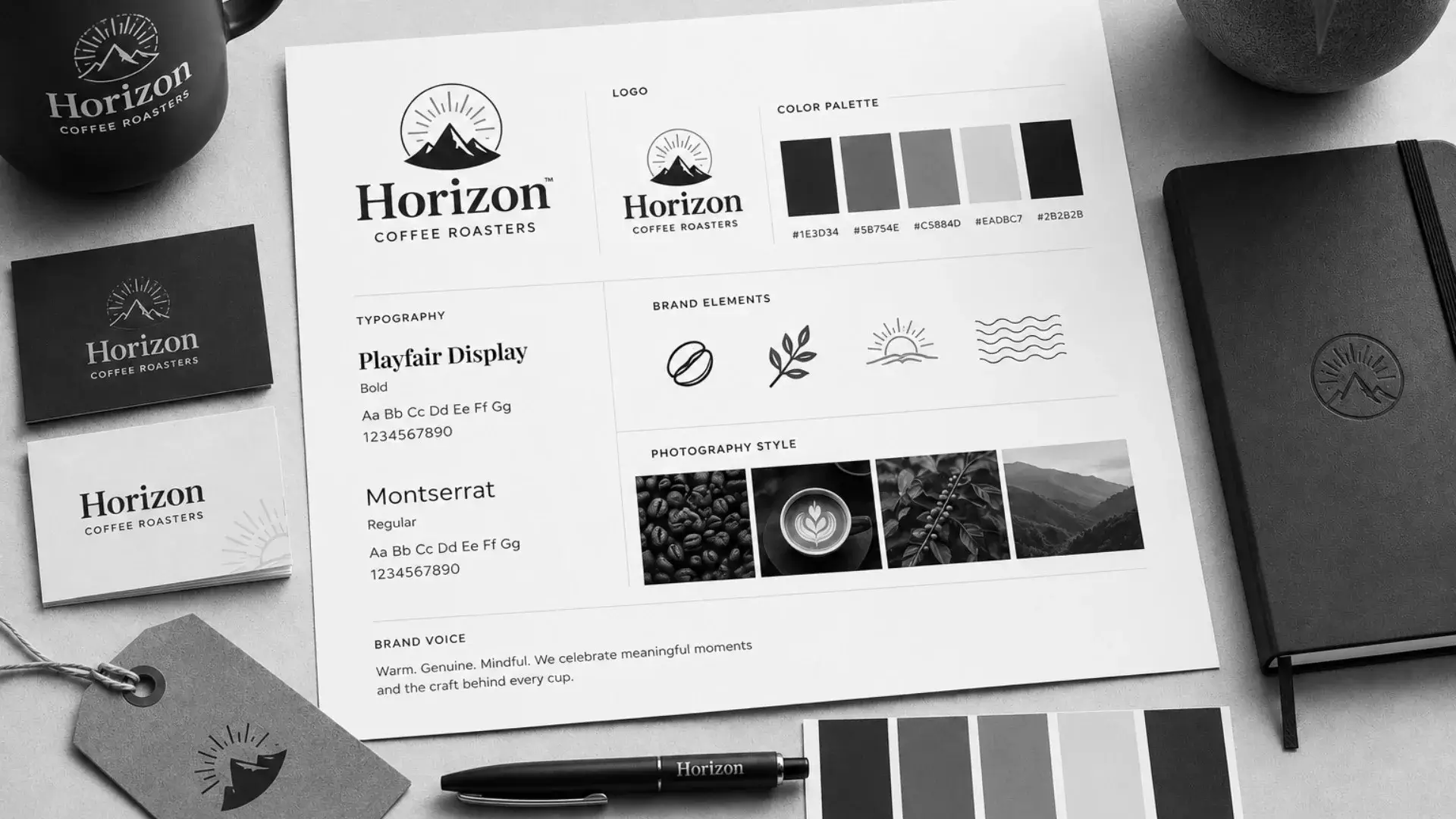
A brand identity design process is the structured method businesses use to create a unique and professional brand image. It includes research, strategy, logo design, colors, typography, and brand guidelines. A strong brand identity helps businesses build trust, improve recognition, and stand out from competitors both online and offline.
A strong identity helps customers quickly recognize and remember a business. According to Adobe, consistent branding improves customer recognition and builds long-term trust with audiences.
Today, businesses across Australia are investing more in professional brand identity design services because competition continues to grow in almost every industry. From local cafes and trades businesses to eCommerce brands and startups, companies need a professional identity to attract attention and appear trustworthy.
Why Is Brand Identity Important for Businesses?
Brand identity is important because it shapes how customers see your business. A weak identity can make even a good business look unprofessional. A strong identity creates confidence and improves customer trust.
Research from Lucidpress shows that consistent branding can increase business revenue by up to 23%. Businesses with clear branding often attract more loyal customers because people remember them more easily.
Main Benefits of Brand Identity
• Builds trust with customers
• Creates a professional image
• Helps businesses stand out
• Improves brand recognition
• Supports marketing campaigns
• Creates consistency across platforms
In Australia, many small businesses now focus heavily on branding because online competition is increasing. Customers often compare businesses through websites and social media before making buying decisions.
What Are the Main Elements of Brand Identity?
A complete brand identity includes several visual and communication elements. These important elements of brand identity work together to create a consistent and professional brand experience across all platforms.
Logo Design
The logo is one of the most recognizable parts of a brand. It represents the business visually and appears across websites, signage, packaging, and marketing materials.
A good logo should be:
• Simple
• Memorable
• Versatile
• Easy to read
• Relevant to the industry
Professional designers usually test logos in black and white before adding colors to ensure the design works clearly in every format.
Brand Colors
Colors help businesses create emotional connections with customers. Different colors create different feelings.
For example:
• Blue often represents trust and professionalism
• Green represents growth and sustainability
• Black creates a premium and modern look
• Red creates energy and urgency
Australian businesses often choose clean and modern color palettes because they work well across digital platforms.
Typography
Typography refers to the fonts used by a business. Fonts help shape the personality of the brand.
Modern sans-serif fonts create a clean and simple feel, while serif fonts can create a traditional and trustworthy appearance.
Most professional brands use two or three font styles to maintain consistency.
Brand Voice
Brand voice is the tone used in communication. Some businesses use a formal tone while others use a friendly and casual style.
Consistency in messaging helps customers understand the personality of the brand.
Imagery and Graphics
Photos, icons, illustrations, and graphics also form part of the identity system. These visual elements should follow the same design style across websites, packaging, and social media.
Brand Guidelines
Brand guidelines explain how to use logos, colors, typography, and other visual elements correctly.
This document helps businesses maintain consistency across all platforms and marketing materials.
What Is the Step-by-Step Brand Identity Design Process?
The brand identity design process follows a clear structure. Each step helps businesses create a strong and professional identity that connects with customers.
Step 1: Understand the Brand
The first step is learning about the business. Designers usually ask questions about:
• Business goals
• Mission and values
• Target audience
• Competitors
• Services or products
• Long-term vision
This research creates the foundation for the entire branding project.
Professional designers often use questionnaires and strategy meetings to gather detailed information from clients.
Why Is Research Important?
Without research, branding decisions become random. A business may end up with visuals that do not match its audience or industry.
For example, a luxury property brand requires a very different identity compared to a children’s toy company.
Step 2: Research Competitors
Competitor analysis helps businesses understand market trends and identify opportunities to stand out.
Designers usually review:
• Competitor logos
• Websites
• Packaging
• Social media presence
• Color palettes
• Typography styles
This step helps businesses avoid creating branding that looks too similar to competitors.
According to branding experts, differentiation is one of the biggest reasons businesses invest in professional identity systems.
Example From Australian Markets
Many Australian construction companies use similar dark blue branding. A company that introduces a cleaner and more modern identity can often appear more premium and memorable.
Step 3: Define Brand Strategy
Brand strategy defines how the business wants to position itself in the market.
This includes:
• Brand personality
• Brand messaging
• Customer experience
• Market positioning
• Core values
Strategy acts as the roadmap for all future design decisions.
What Happens Without Strategy?
Without a strategy, branding may look attractive but fail to connect with the right audience.
A visually appealing logo alone cannot create a successful brand if the messaging and positioning are unclear.
Step 4: Create Moodboards and Creative Direction
Moodboards help define the visual direction of the brand. Designers collect inspiration, including:
• Colors
• Fonts
• Photography styles
• Layout ideas
• Design references
This step helps both the client and designer align on the overall creative vision.
Many professional designers use sketching and brainstorming before moving into digital design.
Why Are Moodboards Helpful?
Moodboards reduce confusion during the design process. They help clients visualize the style before final concepts are created.
This improves communication and reduces unnecessary revisions.
Step 5: Design the Logo Concepts
After the creative direction is approved, designers begin logo development.
Professional logo design often starts with:
• Hand sketches
• Black-and-white concepts
• Shape exploration
• Typography testing
Designers typically create several concepts before selecting the strongest direction.
According to Adobe, simplicity is one of the most important principles in logo design because simple logos are easier to remember.
What Makes a Good Logo?
A good logo should:
• Work in different sizes
• Look clearly in black and white
• Be easy to recognize
• Match the business personality
• Remain timeless
Step 6: Develop the Visual Identity System
Once the logo is approved, designers expand the identity into a full visual system.
This includes:
• Color palettes
• Typography systems
• Icon styles
• Social media graphics
• Packaging concepts
• Business stationery
The goal is to create a consistent look across every customer touchpoint.
Why Is Consistency Important?
Consistency improves recognition and trust. Customers feel more confident when branding looks professional across websites, social media, signage, and printed materials.
This is especially important for growing Australian businesses competing online.
Step 7: Collect Feedback and Refine Designs
Feedback is an important part of the process. Designers refine the branding based on client input.
This stage may include:
• Typography adjustments
• Spacing improvements
• Color refinements
• Layout corrections
• Simplifying elements
Professional designers often go through multiple revisions before final approval.
How Many Revisions Are Normal?
Most branding projects involve several rounds of revisions. Refinement helps improve quality and ensures the final design matches the business goals.
Step 8: Create Brand Guidelines
Brand guidelines explain how the branding should be used.
This document usually includes:
• Logo usage rules
• Color codes
• Typography hierarchy
• Spacing guidelines
• Social media usage
• Incorrect usage examples
Brand guidelines help maintain consistency as businesses grow.
According to branding experts, businesses without guidelines often create inconsistent marketing materials that weaken brand recognition.
Step 9: Apply Branding Across Platforms
Once the identity is complete, businesses apply it across different platforms, including:
• Websites
• Packaging
• Business cards
• Signage
• Social media
• Advertisements
• Email signatures
A strong rollout creates a professional customer experience.
Why Does Brand Consistency Matter Online?
Customers often interact with brands on multiple platforms before purchasing. Consistent visuals help create trust and improve brand recall.
Google also values strong user experience signals, which can indirectly support SEO performance.
How Long Does the Brand Identity Design Process Take?
The timeline depends on the size of the project.
Average Branding Timelines
• Simple logo design: 1 to 2 weeks
• Small business branding: 2 to 4 weeks
• Full identity systems: 4 to 8 weeks
Large businesses may require longer timelines because of additional research and stakeholder approvals.
What Are Common Brand Identity Mistakes?
Many businesses make branding mistakes because they focus only on visuals without strategy.
Common Mistakes Include
• Using too many fonts
• Choosing trendy designs only
• Inconsistent branding
• Ignoring the target audience’s needs
• Copying competitors
• Using low-quality logos
• Lack of brand guidelines
These mistakes can make businesses look unprofessional and confuse customers.
How Does Brand Identity Help SEO and Marketing?
Brand identity supports digital marketing in several ways.
Better User Trust
Professional branding improves website credibility and keeps visitors engaged longer.
Improved Brand Recognition
Consistent visuals help customers remember the business more easily.
Stronger Social Media Presence
Businesses with clear branding often achieve higher engagement on platforms like Instagram and LinkedIn.
Better Conversion Rates
Customers are more likely to buy from brands that appear professional and trustworthy.
Why Are Australian Businesses Investing More in Branding?
Australian businesses are becoming more competitive online. Consumers now compare brands based on website quality, reviews, social media presence, and visual presentation.
Industries such as:
• Construction
• Real estate
• Hospitality
• Healthcare
• Retail
• eCommerce
We are all investing heavily in professional branding to improve trust and visibility.
According to the Australian Bureau of Statistics, there are more than 2.6 million actively trading businesses in Australia. This makes strong branding essential for standing out in crowded markets.
How Can Businesses Choose the Right Branding Agency?
Choosing the right agency is important because branding affects long-term business growth.
What to Look For in a Branding Agency
• Strong portfolio
• Clear design process
• Experience in your industry
• Good communication
• Strategic thinking
• Understanding of digital branding
Businesses should also choose agencies that focus on both creativity and business strategy instead of visuals alone.
Frequently Asked Questions About Brand Identity Design Process
What is the brand identity design process?
The brand identity design process is the step-by-step method businesses use to create a professional and consistent brand image. It includes research, strategy, logo design, color selection, typography, and brand guidelines to help businesses stand out and build trust.
Why is brand identity important for businesses?
Brand identity helps businesses create recognition, trust, and consistency across all platforms. A strong identity makes it easier for customers to remember the business and improves how professional the company looks online and offline.
What is included in a brand identity package?
A brand identity package usually includes:
• Logo design
• Brand colors
• Typography selection
• Brand guidelines
• Social media assets
• Business stationery designs
Some branding packages may also include packaging and website visuals.
How long does the brand identity design process take?
Most brand identity projects take between 2 to 8 weeks, depending on the project size, research, revisions, and deliverables. Larger businesses usually require more time because of the strategy and approval stages.
What makes a strong brand identity?
A strong brand identity should be simple, memorable, consistent, and easy to use across all platforms. It should also match the business personality and connect with the target audience clearly.
Why do businesses need brand guidelines?
Brand guidelines help businesses maintain consistency in logos, colors, fonts, and visuals. They ensure all marketing materials, websites, and social media designs follow the same professional branding style.
Conclusion
The brand identity design process helps businesses create a professional and memorable image that customers trust. From research and strategy to logo design and brand guidelines, every step plays an important role in building long-term recognition and growth.
A strong brand identity is not only about looking good. It helps businesses communicate clearly, stand out from competitors, and create better customer experiences across all platforms.
At SAGA Designs, we help Australian businesses build strategic and visually powerful brand identities that improve recognition, strengthen trust, and support long-term business success.