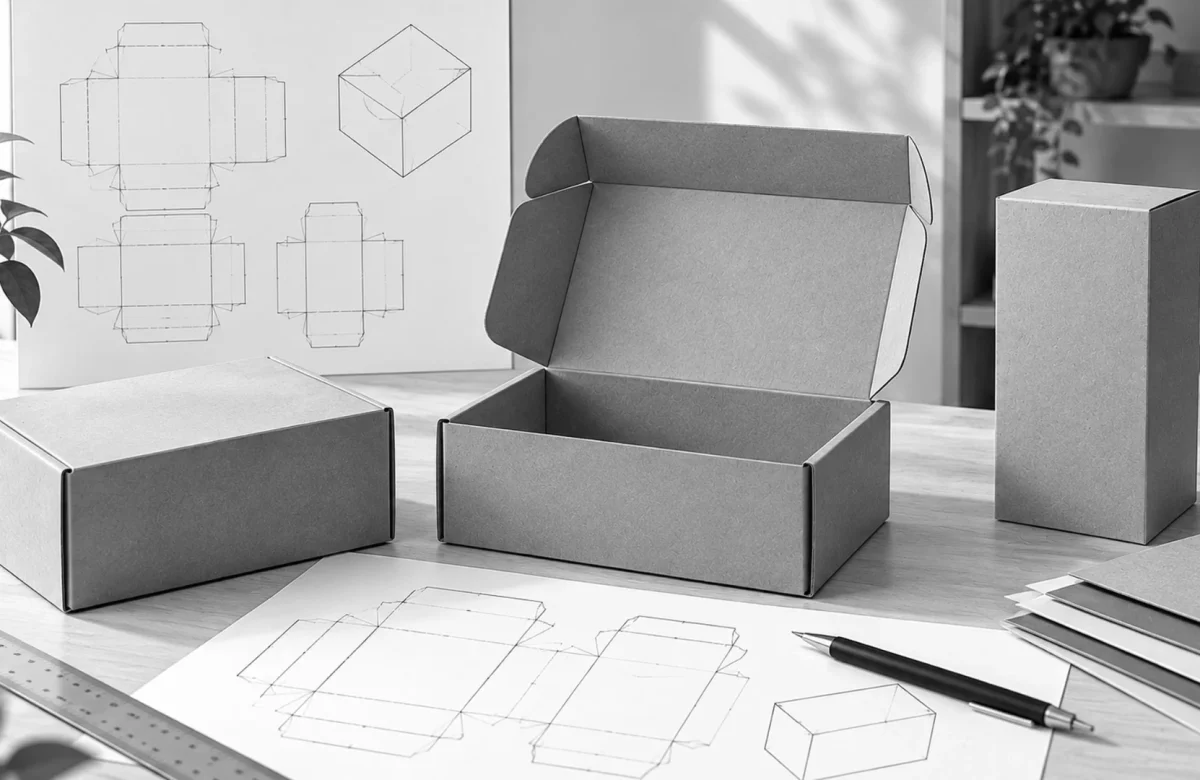
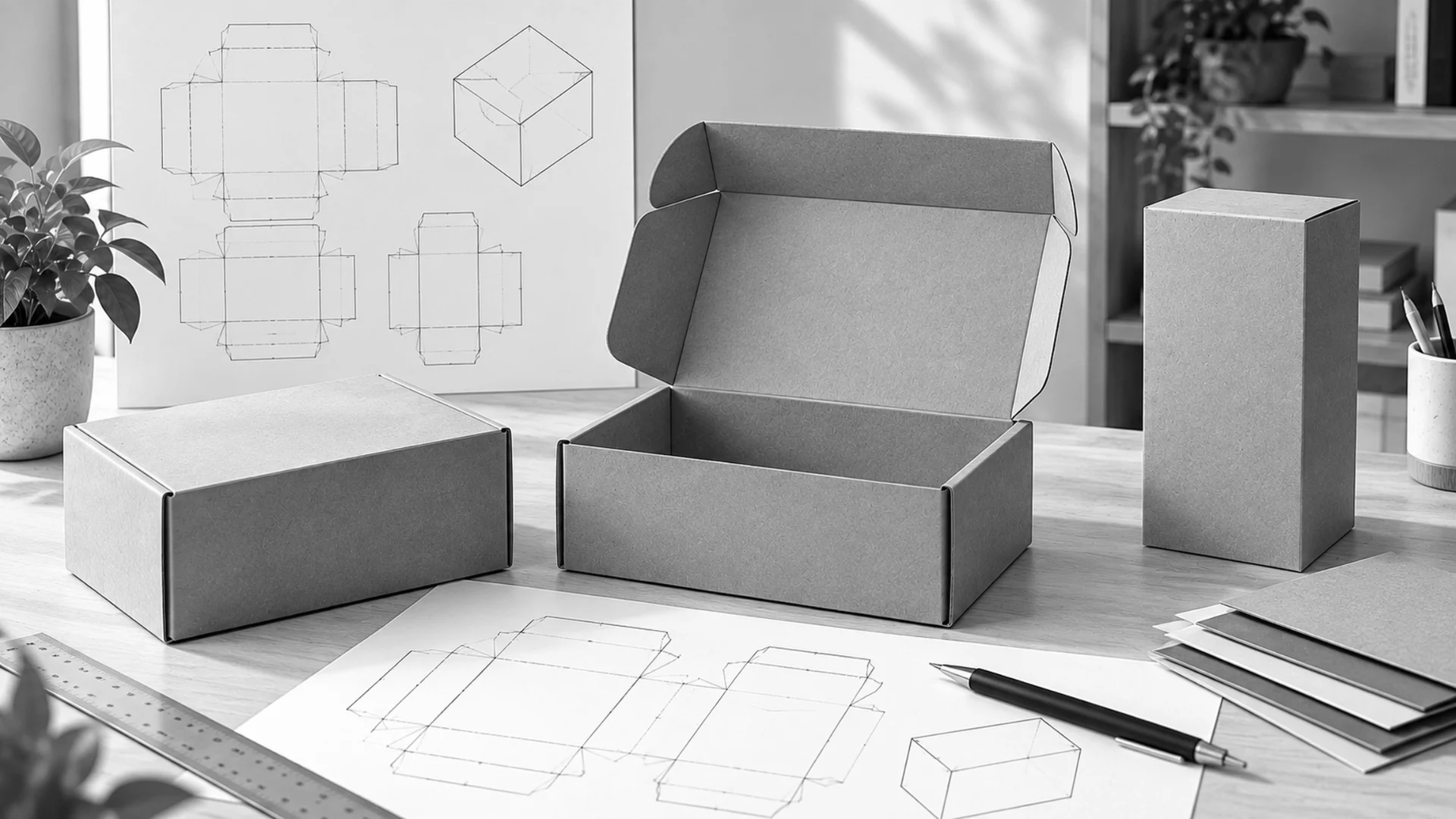
Structural packaging design is the engineering of a package’s physical shape, material, and construction, how it’s cut, folded, and assembled, separate from the graphic design applied to its surface. One defines whether a box protects the product and holds together through shipping and handling. The other defines how it looks. Both matter, but they’re genuinely different disciplines with different goals.
Key Takeaways
• Structural packaging design covers shape, material, and construction, while graphic design covers what’s printed on the surface
• A dieline is the flat, unfolded technical pattern that shows exactly how a package cuts, scores, and folds
• Tolerances, the small gap left around a product, need to be tight enough to prevent movement but loose enough to avoid a difficult, frustrating fit
• Prototyping and testing before production catches fit and durability problems before they become an expensive reprint
• Saga Designs, based in Dandenong, tests structural concepts through 3D product modelling before anything goes to print
Introduction
A lot of packaging conversations start and end with colour, logo placement, and typography. That’s graphic design, and it matters, but it’s only half the picture. If you’re new to packaging generally, our guide on what packaging design actually involves is a good place to start.
The other half, structural packaging design, is what determines whether a box actually protects what’s inside it, closes properly, and survives being shipped and handled without falling apart. This guide covers what that actually involves.
What Does Structural Packaging Design Actually Cover?
Structural packaging design covers the physical form of a package, its shape, material, closure system, and how it’s cut and folded, engineered to protect the product and perform correctly through manufacturing, shipping, and everyday use.
This is a genuinely separate discipline from the visual side of packaging. A graphic designer works on colour, typography, and imagery applied to a surface. A structural designer works on whether that surface holds together, fits the product correctly, and survives a shipping container without crushing. Both need to work together, but they’re solving different problems.
What Is a Dieline, and Why Does It Matter?
A dieline is the flat, unfolded technical pattern that shows exactly where a package gets cut, scored, and folded, the blueprint that turns a flat sheet of material into a three-dimensional package.
Getting a dieline right matters more than it might seem. It determines whether a box folds cleanly and consistently across thousands of units on a production line, not just whether the first sample looks right. A dieline built without enough attention to fold direction, panel proportion, or glue tab placement can look fine on paper and still fail once it’s actually run through production equipment at scale.
Why Do Tolerances Matter So Much in Structural Design?
Tolerances, the small gap deliberately left between a product and the inside of its packaging, need to be tight enough to stop the product moving around during shipping, but loose enough that the fit doesn’t feel difficult or frustrating to use.
Getting this wrong in either direction causes real problems. Too tight, and a product becomes hard to remove or reinsert, which reads as a design flaw even if the packaging itself is otherwise well made. Too loose, and the product shifts during transit, risking damage and making the whole package feel cheap the moment someone opens it. This is one of the details that separates packaging genuinely engineered around the product from packaging that was designed around a rough estimate.
How Does Structural Design Actually Get Tested Before Production?
Structural packaging concepts are typically tested through physical prototypes or 3D models before committing to full production, checking fit, durability, and assembly against the real product rather than relying on a flat drawing alone.
This is where a real, practical advantage becomes available that most packaging content doesn’t mention clearly. Based in Dandenong, Saga Designs tests structural packaging concepts using 3D product modelling, building an accurate digital version of the packaging and the product it holds before anything goes to physical production. This means a structural problem, a tolerance that’s too tight, an insert that doesn’t sit correctly can be caught and fixed digitally, rather than discovered only after a physical prototype or, worse, a full print run has already been paid for.
A manufacturing feasibility check typically follows once a structural design is finalised, confirming the design can actually be produced at scale without unexpected complications, before committing to a full production run.
Does Structural Packaging Design Affect Sustainability?
Yes, structural design decisions directly affect how much material a package uses and how efficiently it can be produced, making it one of the more significant levers for reducing packaging waste.
A structure engineered around the product’s actual dimensions, rather than a generic, oversized format, uses less material and produces less waste, both in the finished package and in the production process itself. This connects directly to the sustainability side of packaging. Our guide on sustainable packaging design in Australia covers this in more detail, since a well-engineered structure is often the more sustainable choice even before material selection is considered.
Frequently Asked Questions
What’s the difference between structural and graphic packaging design?
Structural design covers the physical shape, material, and construction of a package, how it’s cut, folded, and assembled. Graphic design covers what’s printed on the surface, colour, typography, and imagery. Both are needed, but they’re separate disciplines solving different problems.
What is a dieline in packaging design?
A dieline is the flat, unfolded technical pattern that shows exactly where a package is cut, scored, and folded. It’s the blueprint used to turn a flat sheet of material into a finished, three-dimensional package.
Why do packaging tolerances matter?
Tolerances are the small gap left between a product and its packaging. Too tight causes a difficult, frustrating fit. Too loose allows the product to shift during shipping, risking damage. Getting this right requires designing around the product’s actual dimensions.
Can structural packaging problems be caught before production?
Yes, through prototyping or 3D modelling before committing to a full production run. This lets you identify and correct fit, durability, and assembly issues digitally or with a sample, rather than discovering them after you’ve already paid for production.
Does structural design affect how sustainable packaging is?
Yes. A structure engineered efficiently around a product’s actual dimensions uses less material and produces less waste than a generic, oversized format, making structural decisions a genuine factor in overall packaging sustainability.
Conclusion
Structural packaging design is the engineering underneath every package, the discipline that decides whether it protects the product, closes properly, and survives real handling, separate from how it looks. For businesses looking for packaging design Melbourne, Saga Designs tests structural concepts through 3D modelling before anything goes to production. Get in touch for a free quote based on your product.