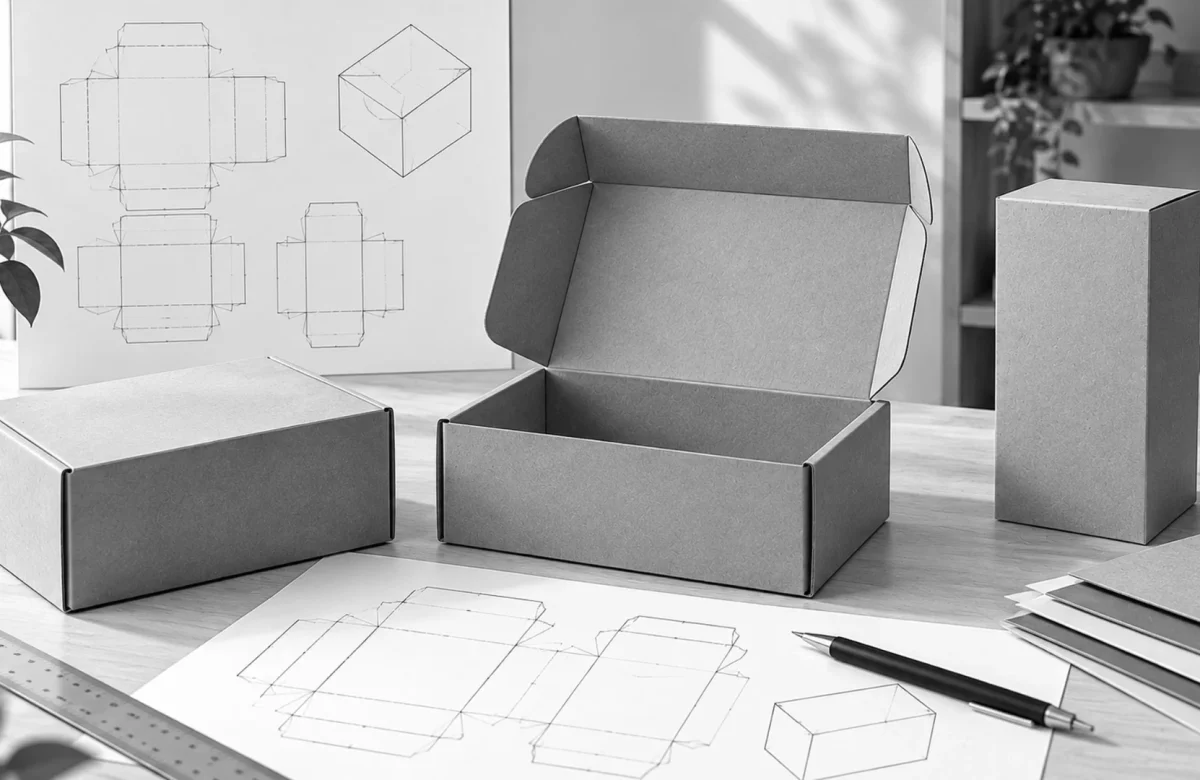
Sustainable packaging design is the process of creating product packaging using eco-friendly materials that minimise environmental harm across the packaging’s full lifecycle. In Australia in 2026, it is both a consumer expectation and a regulatory requirement under the National Packaging Targets. Businesses that invest in sustainable packaging reduce waste, build brand trust, and meet growing retailer requirements.
If you sell a physical product in Australia, your packaging is no longer just a container. It is a public statement about your business values, and your customers are reading it before they read anything else on the label.
Australian consumers are choosing brands based on packaging sustainability. Retailers are setting eco-friendly requirements for suppliers. The Australian government has set National Packaging Targets that affect every business putting a product on a shelf. Sustainable packaging design sits at the intersection of all three of these pressures, and businesses that get it right gain a meaningful competitive advantage.
This guide is for Australian product business owners who want to understand what sustainable packaging design actually means, why it matters right now, which materials to consider, and how to make the transition without losing the visual impact their brand depends on.
If you are new to packaging design, our guide on what packaging design is and how it works is a good place to start before reading this one.
What Is Sustainable Packaging Design?
Sustainable packaging design is the process of creating packaging that minimises environmental harm across its full lifecycle, from raw material sourcing through to disposal after use. It considers material choice, manufacturing process, transport weight, recyclability, and end-of-life impact as a connected system rather than separate decisions.
True sustainable packaging is not just about swapping plastic for paper. It involves deliberate design choices at every stage: using the minimum material needed to protect the product, designing for easy recycling or composting through Australian kerbside or drop-off systems, and communicating the packaging’s eco-credentials clearly to the consumer so they dispose of it correctly.
The three core principles guiding sustainable packaging design in 2026 are:
| Principle | What It Means in Practice |
|---|---|
| Reduce | Use the minimum material needed to protect the product. Remove excess layers, padding, and volume that serve no functional purpose. |
| Recycle | Design packaging from materials accepted in standard Australian kerbside recycling or clearly direct consumers to the correct drop-off point. |
| Reuse | Where the product and price point allow, design packaging with a second life — storage boxes, reusable bags, or refillable containers. |
Sustainable packaging design does not mean compromising on visual quality or brand expression. The most effective eco-friendly packaging combines responsible material choices with the same level of creative design as conventional packaging. The materials are different. The standard for design quality is identical.
Why Does Sustainable Packaging Matter for Australian Businesses in 2026?
Sustainable packaging is no longer a nice-to-have for Australian businesses. Three forces are making it a commercial and regulatory priority right now.
Government regulation: The Australian National Packaging Targets 2025 set by APCO require that 100 per cent of packaging be reusable, recyclable, or compostable. Businesses using high-impact packaging face increased levy obligations, while businesses using low-impact packaging benefit from reduced fees under the eco-modulation system. This is a direct financial incentive tied to your packaging design choices.
Consumer expectation: According to PwC’s 2024 Voice of the Consumer Survey, Australian consumers are willing to pay an average of 9.7 per cent more for products from brands that demonstrate genuine sustainability. For a product priced at $30, that is a $2.91 premium per unit that your packaging design can directly support or undermine.
Retailer requirements: Major Australian retailers, including Woolworths and Coles, have set supplier packaging sustainability requirements. If you sell through retail channels, sustainable packaging is increasingly a condition of ranging, not a differentiator.
Real example: Who Gives A Crap, the Melbourne-based household products brand, built its entire business identity around sustainable packaging. Colourful, recycled-paper wrapped products with zero plastic became their primary marketing asset. The packaging design alone generated significant word-of-mouth and social sharing that reduced their paid customer acquisition cost substantially compared to conventional FMCG brands.
What Materials Are Used in Sustainable Packaging Design?
Choosing the right material is the most important decision in any sustainable packaging project. Each material has different strengths depending on your product type, distribution method, and brand aesthetic.
Recycled and recyclable cardboard: The most widely used sustainable packaging material in Australia. Corrugated cardboard made from recycled content is strong, accepted in standard kerbside recycling, and provides an excellent printing surface for brand design. FSC-certified cardboard, which stands for Forest Stewardship Council certified, confirms that any virgin fibre content comes from responsibly managed forests.
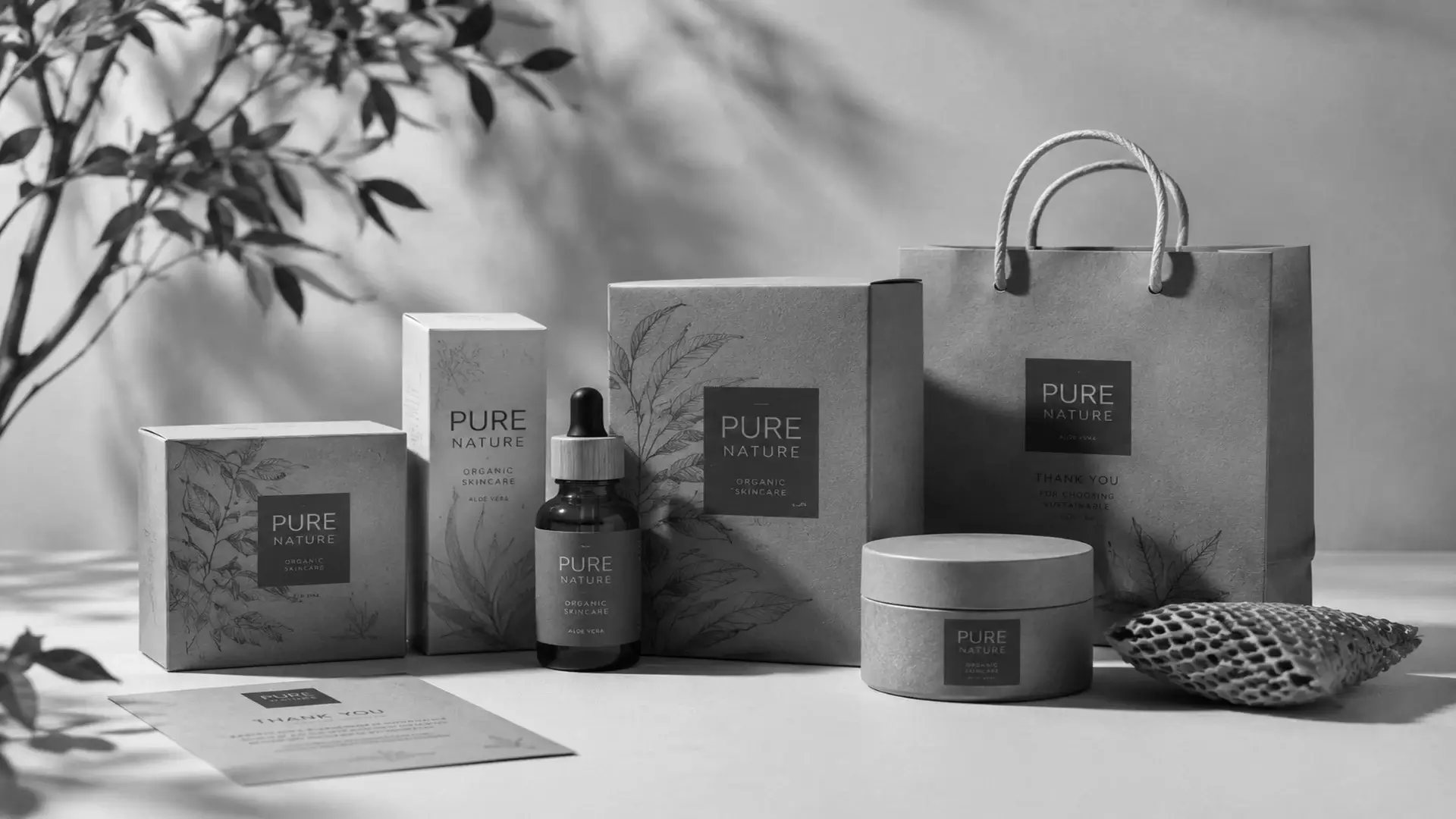
Kraft paper: Unbleached kraft paper has a natural brown tone that communicates sustainability visually without requiring a single word of explanation. It is compostable, lightweight, and works well for bags, wrapping, tissue paper, and mailer envelopes. For food and beauty brands targeting a premium natural positioning, Kraft paper is one of the strongest brand signals available.
Compostable bioplastics: Made from plant-based materials such as cornstarch or sugarcane, compostable bioplastics are designed to break down in commercial composting facilities. They work well for flexible pouches and mailer bags. The key consideration is customer education. Compostable materials do not break down in standard kerbside recycling or landfill, so clear disposal guidance on the packaging is essential.
Post-consumer recycled plastic (PCR): PCR plastic uses plastic that has already been through the waste system. While plastic remains a complex material environmentally, using PCR content reduces demand for virgin plastic and keeps existing plastic in circulation longer. PCR content is measured as a percentage, with 50 per cent PCR or higher considered a meaningful sustainability claim.
Soy-based and water-based inks: The inks used to print your brand design matter too. Conventional petroleum-based inks contain volatile organic compounds that complicate the paper recycling process. Soy-based and water-based inks are more easily removed during recycling, improving the recyclability of your finished packaging.
| Material | Best For | Recyclable in Australia? |
|---|---|---|
| Recycled cardboard | Boxes, mailers, inserts | Yes, kerbside |
| Kraft paper | Bags, wrapping, tissue | Yes, kerbside |
| Compostable bioplastic | Pouches, mailer bags | Commercial compost only |
| Post-consumer recycled plastic | Bottles, flexible pouches | Depends on resin type |
| Soy-based inks | All printed packaging surfaces | Improves the recyclability of paper |
How Does Sustainable Packaging Affect Your Brand Identity?
Sustainable packaging is one of the most powerful brand identity tools available to a product business. Done well, it communicates your values at the highest-engagement moment in the customer journey: the moment your product arrives or is picked off a shelf.
The unboxing moment is when your customer is most emotionally engaged with your brand. Well-designed sustainable packaging communicates that your business shares your customer’s values. That alignment builds trust faster than any advertising campaign and drives the kind of organic social sharing that paid media cannot replicate.
For Australian ecommerce businesses, branded sustainable packaging works across multiple channels at once: product protection, brand expression, customer experience, and social media content generation. A customer who shares an unboxing video of your packaging is producing marketing content you did not pay for.
Sustainable packaging does not need to look minimal or earthy to signal environmental responsibility. It needs to look intentional. Your brand colours, typography, and logo apply to kraft paper, recycled cardboard, and compostable materials with the same visual impact as conventional packaging. The material is different. The design standard is identical.
Real example: Aesop, the Melbourne-founded skincare brand, built one of the world’s most recognisable brand identities largely through packaging. Simple amber glass, minimal typography, and a consistent label system communicated premium quality and environmental consciousness at the same time. Their packaging became a competitive advantage that no advertising budget could replicate.
For a deeper understanding of how packaging connects to your overall brand, our guide on packaging design and brand identity covers the relationship in full.
How Much Does Sustainable Packaging Design Cost in Australia?
The cost of sustainable packaging in Australia has two components: the design cost and the production cost per unit. Understanding both helps you budget accurately before approaching a designer or supplier.
Design cost: Professional sustainable packaging design in Australia costs between $1,500 and $5,000 for a complete project. This includes structural design recommendations, visual design applied to all packaging surfaces, print-ready artwork files, and material specifications for your supplier.
Production cost: Sustainable materials have historically carried a price premium over conventional alternatives. That premium has narrowed significantly by 2026. Recycled cardboard and kraft paper are now cost-competitive with conventional options at most volume levels. Compostable bioplastics carry a 10 to 30 per cent per-unit premium, but reduced freight costs from lighter materials often offset this over time.
Australian suppliers, including Noissue and Hero Packaging, offer custom-branded sustainable packaging from minimum order quantities of 100 to 200 units, making eco-friendly packaging accessible for small businesses at earlier stages than ever before.
Real example: Thankyou, the Melbourne-based social enterprise, demonstrates that sustainability and strong brand design are not opposing forces. Their packaging uses recycled materials throughout while maintaining the warm, confident visual identity that built their brand nationally. The sustainability story is embedded in the design from the beginning, not added as a sticker after the fact.
| Packaging Component | Typical Cost AUD |
|---|---|
| Professional packaging design (complete project) | $1,500 to $5,000 |
| Recycled cardboard mailer (per unit, 500 MOQ) | $0.80 to $2.50 |
| Kraft paper mailer bag (per unit, 200 MOQ) | $0.40 to $1.20 |
| Compostable bioplastic pouch (per unit, 200 MOQ) | $0.60 to $1.80 |
| Custom printed tissue paper (per sheet, 200 MOQ) | $0.30 to $0.80 |
For a full understanding of what is included in a professional packaging project, our guide on custom packaging design for small businesses covers deliverables and what to expect from a studio brief.
How Do You Transition to Sustainable Packaging Without Losing Brand Impact?
Transitioning to sustainable packaging does not mean redesigning everything at once. It means making deliberate material and design choices that preserve your brand expression while reducing environmental impact one step at a time.
Start with a packaging audit: List every piece of packaging your product uses: outer box or mailer, inner protection, tissue or filler, labels, inserts, and tape. For each item, identify the current material, whether it is recyclable in Australia, and whether a sustainable alternative exists at a comparable cost.
Prioritise your highest-volume item first: You do not need to change everything in one order. Identify the single packaging component your customers interact with most and transition that first. For most Australian e-commerce businesses, that is the outer mailer or shipping box.
Brief your designer on sustainability goals upfront: Material choice affects print method, colour reproduction, and structural design options. Your packaging designer needs to know your sustainability requirements before the visual design begins, not after the artwork is finished.
Communicate disposal instructions clearly on the packaging: Customers need to know how to recycle or compost their packaging correctly. A single line of print on the inside flap, such as “This box is made from 100% recycled cardboard. Please recycle,” takes seconds to design and meaningfully increases the rate of correct disposal.
Real example: Bellroy, the Melbourne accessories brand, transitioned its packaging to recycled and FSC-certified materials across its full product range without changing its visual identity. The brand’s clean, minimal design language translated directly to recycled card stock. Their packaging now carries formal sustainability certifications while maintaining the premium presentation that built customer trust.
For a step-by-step walkthrough of the full packaging design process from brief to final artwork, our guide on designing product packaging that performs covers every stage in detail.
Frequently Asked Questions
What is sustainable packaging design in Australia?
Sustainable packaging design is the process of creating product packaging using eco-friendly materials and design principles that minimise environmental harm across the packaging’s full lifecycle. In Australia, it aligns with the National Packaging Targets set by APCO, which require all packaging to be reusable, recyclable, or compostable. It covers material selection, structural design, print method, and disposal guidance.
How much does sustainable packaging design cost for a small business in Australia?
Professional sustainable packaging design costs between $1,500 and $5,000 in Australia for a complete project, including structural recommendations, visual design, and print-ready artwork files. Recycled cardboard and kraft paper production costs are now largely comparable to conventional materials at most order volumes. Compostable bioplastics carry a 10 to 30 per cent per-unit premium but often reduce freight costs due to their lighter weight.
What sustainable packaging materials work best for e-commerce businesses in Australia?
Recycled cardboard mailer boxes and kraft paper mailer bags are the most practical starting points for Australian e-commerce businesses. Both are accepted in standard kerbside recycling, cost-competitive with conventional alternatives, and provide strong printing surfaces for brand design. Custom-branded options are available from Australian suppliers at minimum order quantities as low as 100 to 200 units.
Does sustainable packaging design have to look plain or earthy?
No. Sustainable packaging accepts high-quality printing in any colour using soy-based or water-based inks. Kraft paper, recycled cardboard, and compostable materials all support vibrant, detailed brand design. The best sustainable packaging maintains full brand expression while making responsible material choices. Aesop and Who Gives A Crap are two Australian brands that built visually distinctive identities entirely on sustainable packaging formats.
Do Australian small businesses need to comply with the National Packaging Targets?
The National Packaging Targets apply to Australian businesses that are brand owners, importers, or retailers of packaged products. Small businesses are encouraged to align with the targets, and major retailers are beginning to set eco-packaging requirements for their suppliers. Businesses using low-impact packaging benefit from reduced obligations under APCO’s eco-modulation levy system.
How does sustainable packaging design affect customer perception of my brand?
Australian consumers increasingly associate sustainable packaging with higher brand quality and genuine business integrity. PwC research shows customers will pay an average of 9.7 per cent more for products from brands demonstrating real sustainability commitment. Well-designed sustainable packaging also drives organic social sharing among e-commerce customers, generating earned media from unboxing moments at no additional cost.
Conclusion
Sustainable packaging design in Australia in 2026 is one of the highest-return investments a product business can make. It meets the requirements of Australia’s National Packaging Targets, aligns your brand with what your customers already value, reduces your environmental footprint, and creates a more memorable customer experience at the most important moment in the purchase journey. Starting is simpler than most business owners expect. Audit your current packaging, prioritise your highest-volume item, and brief a designer who understands both sustainability requirements and brand design at the same standard. Saga Designs works with Australian product businesses to create packaging that performs for your brand and for the environment. View our packaging design services Australia and get in touch to discuss your project.