Introduction
Packaging design is important because it directly influences how people perceive, choose, and remember a product. It shapes first impressions, builds trust, and often determines whether someone buys your product or ignores it.
Packaging design is the process of creating a product’s outer appearance, including its colors, typography, materials, and layout. It serves both functional and marketing purposes by protecting the product while clearly communicating its value and identity.
In simple terms, packaging is not just about looks. It helps customers notice your product, understand it quickly, and feel confident in their decision. Strong packaging reduces confusion and makes your product easier to choose in a crowded market.
Today, customers scan rather than read. They compare options quickly, especially online and in retail environments. Packaging plays a key role here by delivering information instantly and creating a visual appeal that stands out.
Many businesses overlook packaging and focus only on the product itself. This often leads to missed opportunities. Well-designed packaging, created through professional packaging design services, can elevate perception, improve trust, and make a product more appealing, even before it is used.
Why Packaging Design Matters in the Real World
1. It Creates First Impressions Instantly
Customers often make decisions within seconds. Before they read features or reviews, they notice the packaging.
Clean, premium, and well-thought-out design signals quality. Poor design creates doubt, even if the product itself is good.
In physical stores, this matters even more because packaging competes directly on the shelf.
2. It Builds Brand Identity
Packaging is one of the most consistent touchpoints of your brand.
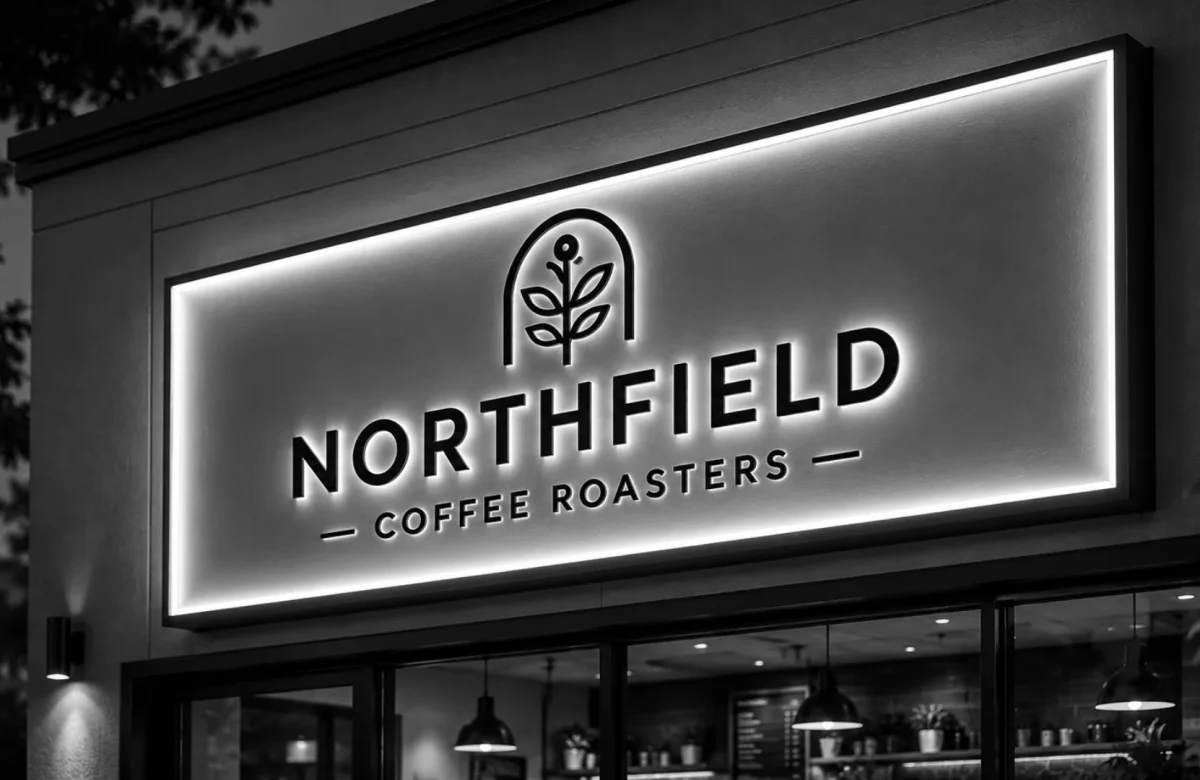
From colors to typography to layout, everything contributes to how people remember you. When done right, customers can recognize your product without even reading the name.
Think of packaging as a visual signature that reinforces your brand every time someone sees or uses your product.
3. It Increases Perceived Value
People often associate packaging quality with product quality.
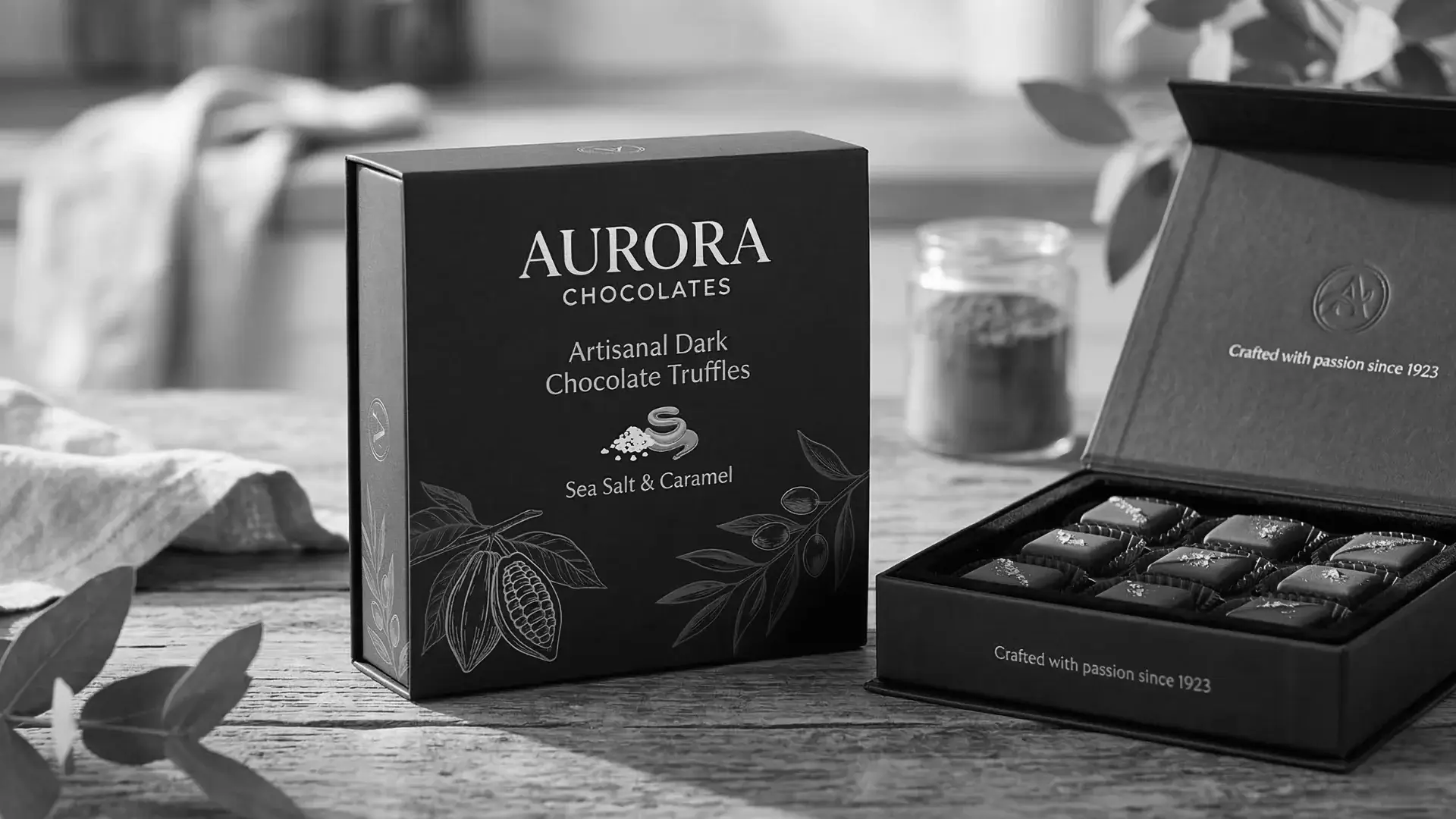
A premium-looking package can justify higher pricing, while basic packaging can make even a good product feel cheap. This perception directly impacts how much customers are willing to pay.
In many cases, customers are not just buying the product. They are buying the experience.
4. It Influences Purchase Decisions
Packaging acts as a decision-making shortcut.
Customers don’t always analyze every detail. Instead, they rely on visual and emotional cues. Packaging helps them decide quickly whether a product feels right for them.
Strong design can be the difference between being picked up or ignored.
5. It Enhances Customer Experience
The experience does not end at purchase.
Opening a product, handling it, and interacting with its packaging all contribute to how customers feel. This is especially important in e-commerce, where packaging becomes part of the delivery experience.
Thoughtful packaging can turn a simple purchase into a memorable moment.
How Packaging Design Works
Packaging design works by combining visual communication with functional design.
First, it attracts attention through color, layout, and structure. Then, it communicates essential information such as product benefits and brand identity. Finally, it delivers a physical experience through materials and usability.
Every element has a purpose:
- Colors create an emotional response
- Typography builds clarity and tone
- Materials influence perception and durability
- Structure affects usability and protection
When all these elements work together, packaging becomes both practical and persuasive.
Key Elements of Effective Packaging Design
Visual Design
This includes colors, typography, imagery, and layout. These elements define how the product looks and how easily it communicates its message.
Material Selection
The choice of materials affects durability, sustainability, and perceived quality. For example, eco-friendly materials can appeal to environmentally conscious buyers.
Structure and Functionality
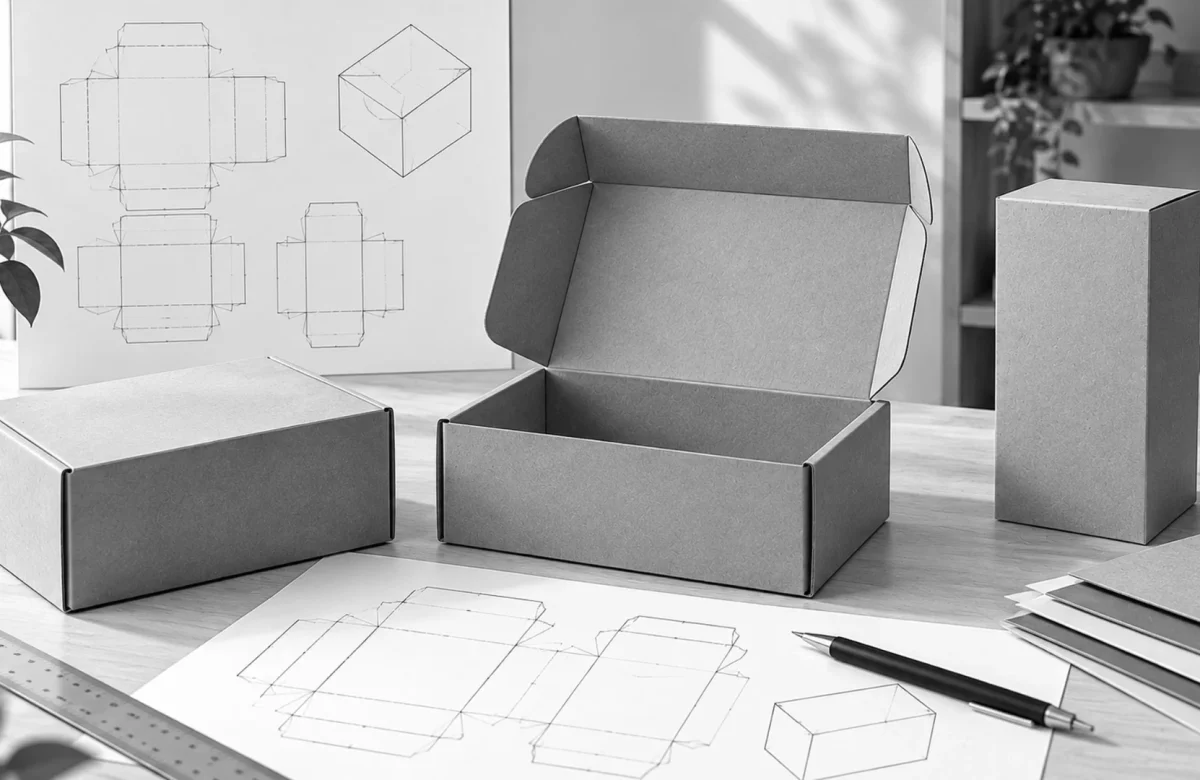
The shape and usability of packaging matter. Easy-to-open, resealable, or reusable packaging improves convenience and user satisfaction.
Branding Consistency
Packaging should align with your overall brand identity design to ensure consistency across products, which builds recognition and trust over time.
Use Cases of Packaging Design
Packaging design plays different roles depending on the industry:
- Retail Products: Helps stand out on crowded shelves
- E-commerce: Enhances unboxing experience and brand recall
- Luxury Goods: Reinforces exclusivity and premium positioning
- Food and Beverage: Communicates freshness, taste, and safety
- Cosmetics: Builds trust and visual appeal
Each use case requires a slightly different approach, which is why custom packaging design services are essential to attract, communicate, and convert effectively.
Real Impact of Packaging Design: Insights from Practice
Packaging design is not just theory. It directly affects how products perform in the market, often in ways businesses don’t expect until they test it.
In one case, a mid-range skincare brand redesigned its packaging from cluttered and text-heavy to clean and minimal. The product formula stayed exactly the same. Within three months, shelf pickup increased noticeably, and online conversions improved because customers perceived the product as more premium and trustworthy.
Another example comes from a food brand that struggled with low repeat purchases. The issue was not taste but usability. The packaging was difficult to reseal, which reduced convenience. After switching to a resealable structure with clearer labeling, customer satisfaction improved, and repeat orders increased.
These cases highlight a simple truth. Packaging design influences behavior, not just appearance. Small changes in layout, material, or usability can directly impact sales, retention, and brand perception.
From an expert perspective, the most effective packaging decisions are based on real user interaction, not assumptions. Testing how customers pick up, open, and use a product often reveals issues that are not visible during the design phase.
Brands that treat packaging as a strategic tool rather than a final step consistently perform better. They focus on clarity, usability, and alignment with customer expectations, which leads to stronger results over time.
Packaging Design vs Product Quality
A common misconception is that good packaging can replace product quality.
It cannot.
Packaging may attract the first purchase, but product quality drives repeat purchases. The best results come when both work together.
Strong packaging gets attention. A strong product keeps customers coming back.
Pros and Limitations of Packaging Design
Pros
- Improves brand recognition
- Increases perceived value
- Drives sales and conversions
- Enhances customer experience
- Differentiates from competitors
Limitations
- Cannot fix a poor product
- May increase production costs
- Needs regular updates to stay relevant
- Poor execution can harm brand image
Common Packaging Design Mistakes
Overcomplicating the Design
Too many elements can confuse customers. When messaging is unclear, people lose interest quickly.
Solution: Keep design clean and focused on one clear message.
Ignoring the Target Audience
Designing based on personal preference instead of customer preference leads to weak results.
Solution: Understand who the product is for and design accordingly.
Poor Material Choices
Cheap or unsuitable materials can damage both the product and the brand perception.
Solution: Choose materials that match the product type and brand positioning.
Lack of Branding Consistency
Inconsistent packaging across products weakens brand identity.
Solution: Maintain consistent colors, fonts, and style across all packaging.
Best Practices for Effective Packaging Design
Focus on clarity first. Customers should understand what the product is within seconds.
Design for your audience, not for trends. Trends fade, but customer needs remain consistent.
Invest in quality materials that match your brand positioning.
Test packaging before launching. Small usability issues can create big customer frustration.
Keep sustainability in mind. Modern consumers value eco-friendly packaging more than ever.
FAQs
Q: Why is packaging design important for small businesses?
A: Packaging helps small businesses compete with larger brands by building credibility and attracting attention. It creates a strong first impression and can make a product look more professional and trustworthy.
Q: Can packaging design increase sales?
A: Yes, good packaging design can significantly improve sales by attracting attention, influencing decisions, and increasing perceived value. It often plays a key role in converting interest into purchase.
Q: How does packaging affect brand perception?
A: Packaging shapes how customers view your brand. High-quality design builds trust and professionalism, while poor packaging can make a brand appear unreliable or low-value.
Q: What makes packaging design effective?
A: Effective packaging is clear, visually appealing, functional, and aligned with the brand. It communicates value quickly and enhances the overall product experience.
Q: Is sustainable packaging important today?
A: Yes, sustainability is becoming a major factor. Many customers prefer eco-friendly packaging, and it can improve brand reputation while reducing environmental impact.
Q: How often should packaging be updated?
A: Packaging should be reviewed regularly and updated when needed, especially during rebranding, product changes, or when the design feels outdated compared to competitors.
Key Takeaways
- Packaging design directly influences buying decisions
- It creates first impressions and builds brand identity
- Good packaging increases perceived value and trust
- It enhances both product appeal and customer experience
- Poor packaging can reduce sales, even with a good product
- Consistency and clarity are key to effective design
Conclusion
Packaging design is not just about appearance. It is a powerful tool that shapes perception, builds trust, and drives sales.
When done right, it connects your product with your audience instantly and creates an experience that goes beyond the product itself.
At SAGA Designs, we combine strategy and creativity through our graphic design services to help brands create packaging that not only looks great but also performs.
Businesses that invest in thoughtful packaging design do not just stand out. They stay remembered.