Custom signage is any type of visual display—like a storefront sign, a wall decal, or a wayfinding poster—that is designed specifically for a unique business. Unlike a generic “Open” sign you buy at a hardware store, custom signage is built from scratch to match a company’s specific colors, logo, and personality.
Businesses need custom signage because it acts as a silent salesperson. It helps people find your location, tells them what you do, and builds trust before a customer even walks through the front door.
What Exactly Is Custom Signage?
When we talk about custom signage, we aren’t just talking about a piece of wood with a name on it. It’s a broad term that covers almost anything used to communicate visually.
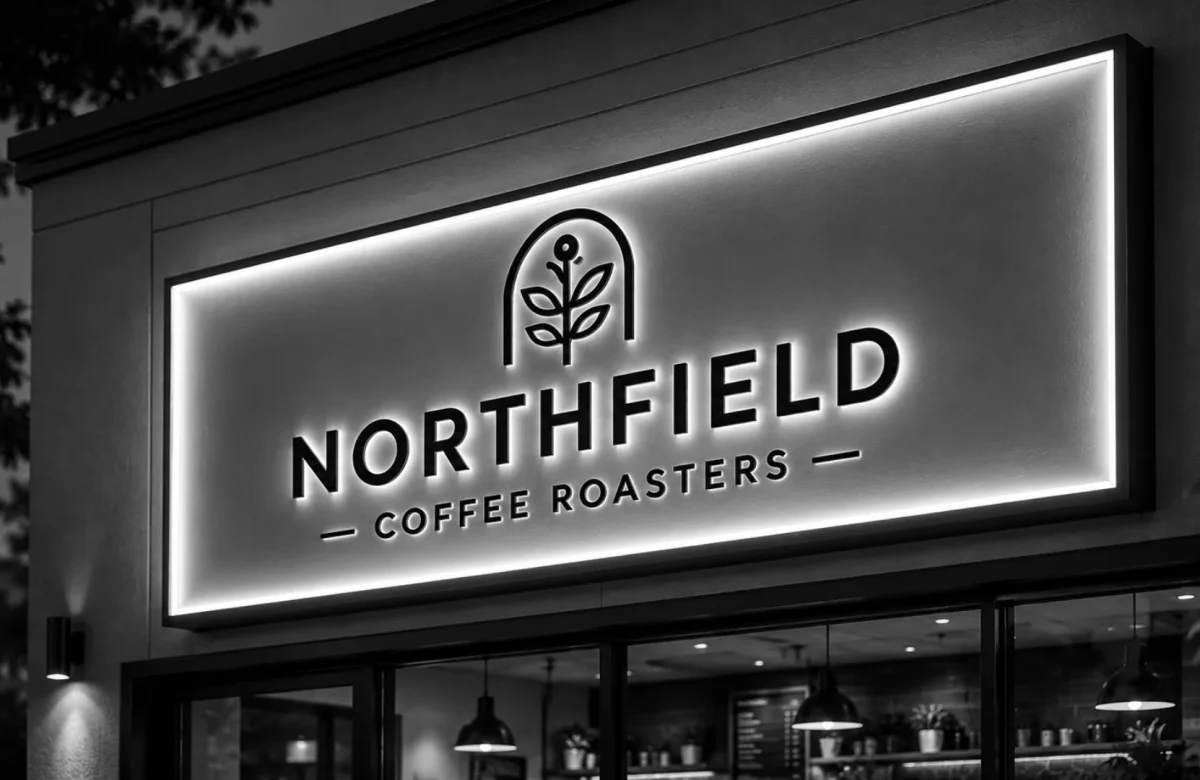
If you walk into a coffee shop and see its logo glowing in neon on the wall, that’s custom signage. If you go to a car dealership and see tall flags waving in the wind with specific sale prices, that’s custom signage, too.
The “custom” part is the most important. It means the sign was created to solve a specific problem. Maybe the shop is hidden in a dark corner, so they need a bright, backlit sign. Or maybe a doctor’s office needs clear directions on the wall so patients don’t get lost. It is tailor-made for the space and the brand.
The Different Types of Custom Signage
To understand why it’s so useful, it helps to see the different forms it can take. Most businesses use a mix of these to create a complete experience for their customers.
Outdoor Custom Signage
These are the heavy hitters. They sit on the outside of a building or near the road. Their main job is to grab attention and pull people in from the street.
• Channel Letters: Those big, 3D letters you see on top of grocery stores that light up at night. They are very professional and easy to read from far away.
• Monument Signs: Low-to-the-ground signs usually made of stone, brick, or metal. You often find these at the entrance of a business park or a school.
• Pylon Signs: The very tall signs you see near highways that show you which gas stations or restaurants are at the next exit. They are designed to be seen by people driving fast.
• A-Frame Signs: These are the small wooden or plastic “sandwich boards” that sit on the sidewalk. They are perfect for telling people about a daily special or a sale.
Choosing the right mix of these options can make a big difference, especially when investing in custom outdoor signage solutions for businesses that are designed to stand out and attract attention.
Indoor Custom Signage
Once a customer is inside, the job of the sign changes. Now, you want to make them feel comfortable and guide them through their visit with custom indoor signage solutions for businesses.
• Lobby Signs: Usually a high-end version of the company logo placed right behind the reception desk. It tells the customer, “You are in the right place.”
• Wayfinding Signs: Simple signs that point toward the restrooms, elevators, or specific departments. Without these, a large office or store feels confusing.
• Point-of-Purchase (POP) Displays: These are the signs near the cash register that remind you to grab a candy bar or tell you about a “Buy One, Get One” deal at the last second.
• Wall Murals and Decals: Large stickers that cover a whole wall. These are great for showing the history of a company or just making a room look cool and modern.
Why Custom Signage Is Essential for Business Growth
You might wonder why a business would spend money on a custom sign instead of just printing a paper poster. The reason comes down to how the human brain works. We process images much faster than text, and we make split-second judgments based on how a business looks.
1. It Builds Brand Recognition
Think about the golden arches of McDonald’s or the white apple of an Apple store. You don’t even need to read the words to know what those businesses sell. Custom signage uses your specific brand colors and fonts consistently. The more people see your unique look, the more they remember you. If your signs look the same on the street, in the lobby, and on your business cards, people start to trust you more.
2. It Provides a Great First Impression
Imagine walking up to two different pizza shops. One has a bright, clean sign with a cool logo. The other has a piece of cardboard taped to the window with “PIZZA” written in marker. Which one would you trust more? A professional custom sign says, “We are experts, and we care about the details.” It builds instant credibility before you even say hello.
3. It Is a Cost-Effective Marketing Tool
Advertising on TV, social media, or the radio costs money every single time the ad runs. If you stop paying, the ad disappears. A custom sign is different. It is a one-time investment. Once it’s paid for and installed, it stays there 24 hours a day, 7 days a week, for years. When you break down the cost over five or ten years, a sign is likely the cheapest way to advertise your business.
4. It Helps You Stand Out from Competitors
If you are in a row of ten shops and everyone has the same boring sign, no one stands out. Custom signage lets you be different. You can use neon lights, weird shapes, or shiny metals to make people stop and look at your shop instead of the one next door. It turns your building into a landmark.
How Custom Signage Improves the Customer Experience
Have you ever walked into a large building and felt totally lost? It’s a frustrating feeling. When a customer is frustrated, they are less likely to spend money.
Custom signage solves this by acting as a guide. Clear wayfinding signs make a building feel organized. Wall graphics can tell the story of the company, making the customer feel more connected to the brand. Even simple signs that explain how to use a product can make a person’s visit much smoother.
Standing Out in a Crowded Market with Custom Signage
If you walk down a busy street, every business is screaming for your attention. If every shop uses the same basic signs, they all blend together into a blur of “White Sign, Black Text.”
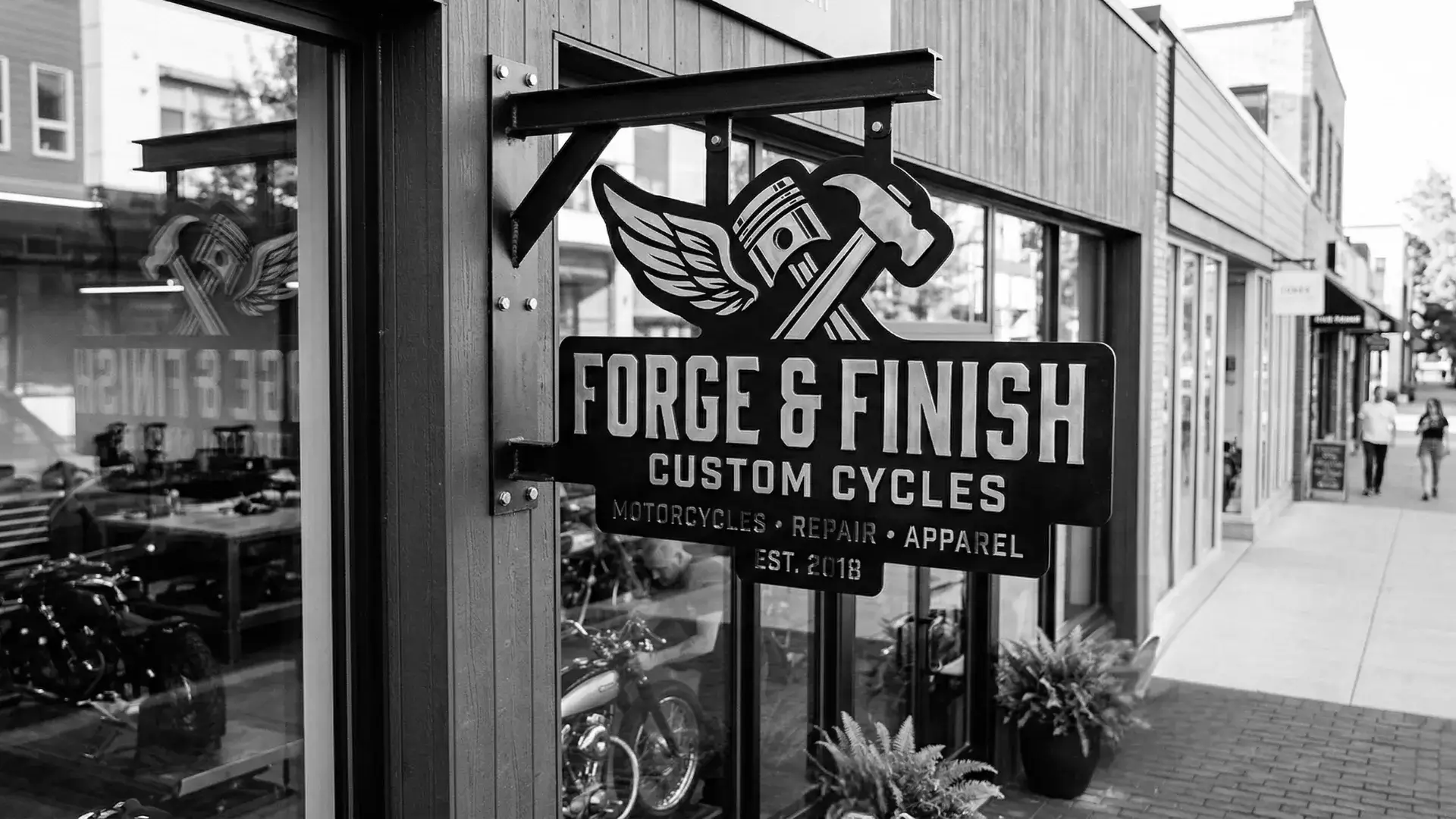
Custom signage allows a business to break that pattern. By using unique shapes, interesting materials (like reclaimed wood or brushed metal), or creative lighting, a business can force a passerby to stop and look. It makes the business a landmark rather than just another building on the block.
The Process of Creating Custom Signage
Creating these signs isn’t as simple as hitting “print.” It usually involves a few key steps:
• Consultation: A sign expert looks at the building and asks about the business goals.
• Design: An artist creates a digital version of the sign to see how it looks on the wall.
• Permitting: Most cities have rules about how big or bright a sign can be. The sign company usually handles the paperwork to make sure the sign is legal.
• Fabrication: This is the “building” phase where metal is cut, plastic is molded, and lights are installed.
• Installation: Professional installers securely mount the sign so it stays safe and looks perfect.
Common Materials Used in Custom Signage
The material chosen for a sign says a lot about a brand.
• Acrylic: Looks like glass but is much stronger. It’s great for a modern, sleek look.
• Aluminum: Very durable and won’t rust. Perfect for outdoor signs that need to last a decade.
• Vinyl: A high-tech “sticker” material used for window graphics and wall decals.
• Wood: Gives a warm, “homey,” or rustic feel. Great for boutiques or restaurants.
Frequently Asked Questions About Custom Signage
How much does custom signage usually cost?
Costs vary based on size, materials, and lighting. A simple vinyl decal might cost $100, while large illuminated storefront signs range from $2,000 to $5,000. It’s a long-term investment that acts as a 24/7 advertisement for your brand.
How long does it take to get a custom sign made?
Most projects take 2 to 4 weeks. This includes the design phase, material fabrication, and professional installation. If your city requires specific permits for outdoor signs, the process might take slightly longer depending on local government approval speeds.
Do I need a permit for my business sign?
Usually, yes. Most local councils have strict rules regarding sign size, height, and brightness for safety and aesthetics. A professional signage company typically handles the permit paperwork to ensure your new display is fully legal and follows all local codes.
What are the best materials for outdoor signs?
Aluminum and acrylic are the top choices for durability. Aluminum is rust-proof and strong, while acrylic offers a high-end, glass-like appearance. Both materials resist fading from sun and rain, ensuring your business stays looking professional for years.
Can I update my sign without replacing the whole thing?
Often, yes! If your sign frame is in good shape, you can simply replace the “face” or apply new vinyl lettering. This is a cost-effective way to update phone numbers, logos, or services without paying for a full installation.
Key Takeaways for Your Business
• Identity: Custom signage is the face of your brand; it makes you recognizable.
• Efficiency: It’s a one-time cost for a permanent, 24/7 advertisement.
• Navigation: It helps customers find what they need, reducing stress and increasing sales.
• Quality: A professional sign proves to customers that you are a legitimate, high-quality business.
• Variety: From window stickers to giant highway poles, there is a sign for every budget and need.
Conclusion
At the end of the day, your business is unique, and your signage should be, too. It’s more than just a name on a wall; it’s the way you introduce yourself to the world. A great sign helps people find you, trust you, and remember you long after they’ve left.
If you’re ready to take your business to the next level and truly stand out from the crowd, SAGA Designs is here to help. We specialize in creating custom signage that doesn’t just look good but actually helps your business grow.