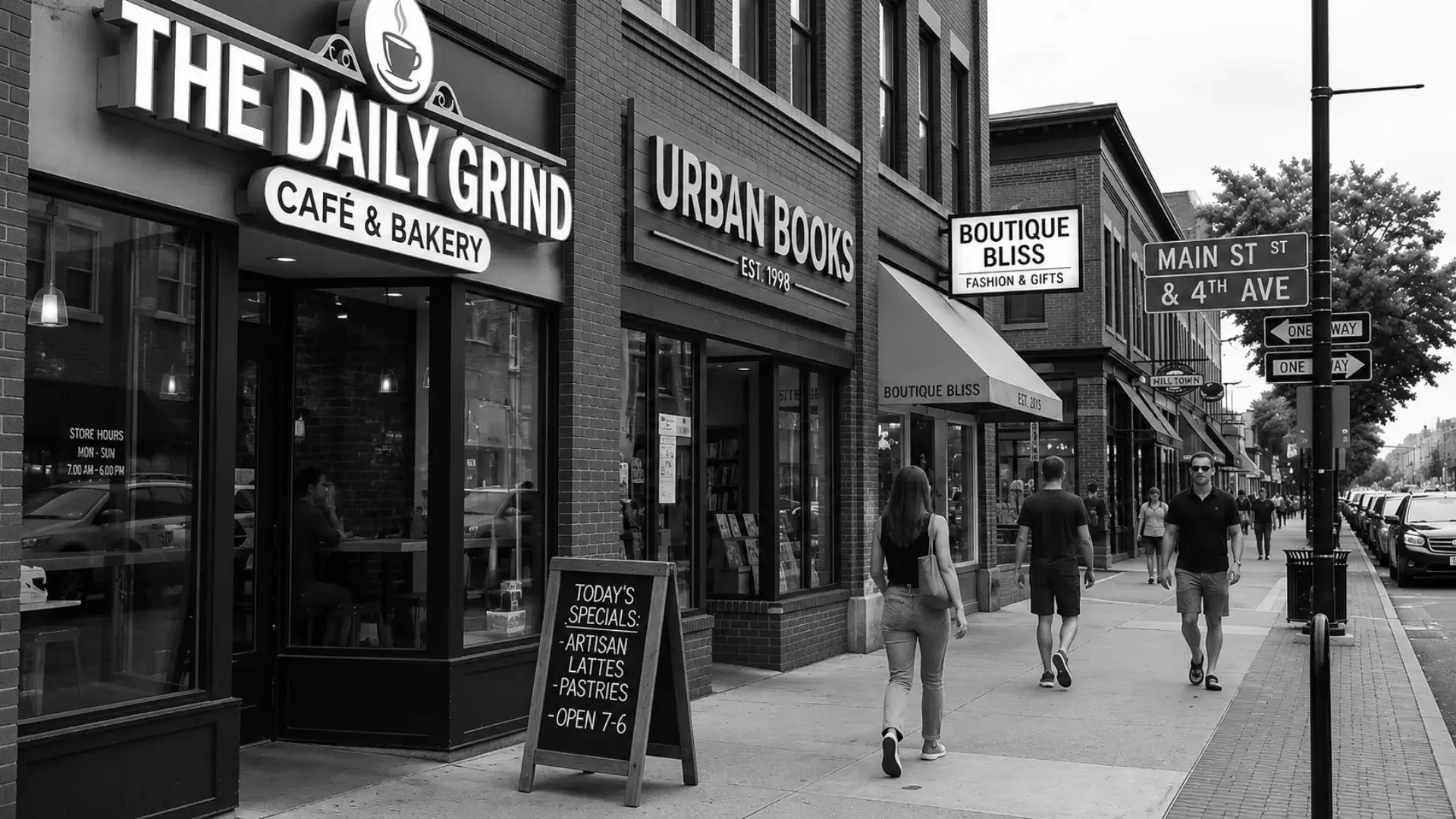
There are 8 main types of business signage used in Australia: shopfront/fascia signs, window graphics, illuminated and LED signs, 3D lettering, vehicle wraps, pylon and pole signs, indoor/wayfinding signs, and A-frame or portable signs. The right type depends on your location, industry, budget, and visibility goals.
Choosing the right signage for your business is one of the most impactful decisions you can make. Studies suggest that around 60% of potential customers won’t enter a business with poor or missing signage, meaning the wrong choice (or no choice at all) is quietly costing you foot traffic every single day.
Whether you’re opening a new shopfront in Melbourne, rebranding an existing business, or simply trying to stand out in a competitive Australian market, understanding the different types of business signage available is the essential first step. This guide breaks down every major signage type, what it is, where it works best, typical costs in Australia, and how to choose the right one for your needs.
If you’re new to signage altogether, start with our beginner’s guide: What Is Signage?
1. Shopfront / Fascia Signs
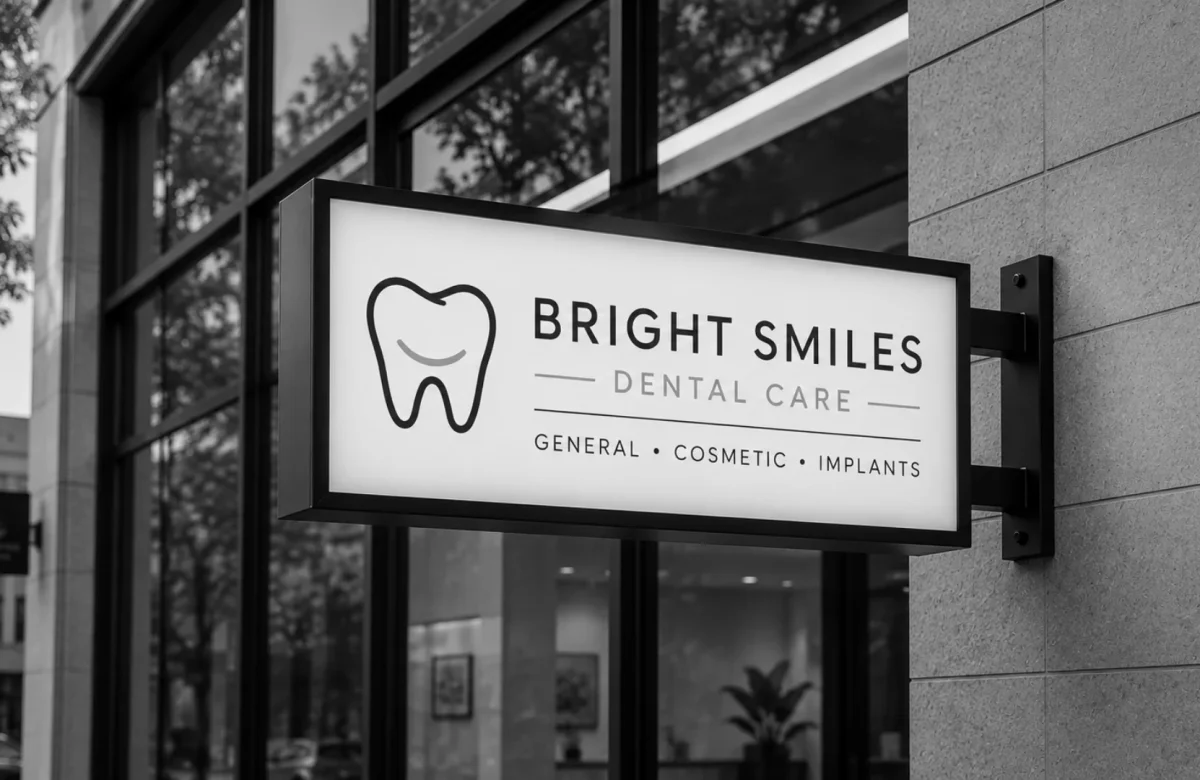
Shopfront signage, also called fascia signs, is mounted directly onto the front of a building and is the most fundamental type of signage for any Australian retail or service business. It announces your presence, communicates your brand, and draws customers in from the street.
These signs can be flat panels, illuminated lightboxes, or dimensional letters mounted to a building facade. Materials commonly used include aluminium composite panels (ACM), acrylic, and PVC, all chosen for durability in Australia’s variable climate.
Best for: Retail stores, cafes, restaurants, offices, and any business with a physical shopfront.
Key considerations:
• Check your local council regulations before installing. Melbourne councils, for example, have specific rules around size, placement, and illumination
• Choose weather-resistant materials suited to outdoor Australian conditions
• Non-illuminated fascia signs are more cost-effective for businesses with strong daytime foot traffic
2. Window Graphics and Decals
Window graphics turn otherwise empty glass space into a powerful branding and communication tool. They can display your logo, promotions, business hours, services, or even act as a privacy screen without blocking natural light.
In 2026, one of the fastest-growing signage trends in Australian retail is combining window graphics with QR codes, creating a physical-to-digital gateway where a passerby scans the code and lands directly on a product page, promotion, or booking form.
Best for: Retail stores, beauty salons, gyms, medical clinics, and restaurants.
Key considerations:
• UV-laminated vinyl ensures graphics don’t fade in direct Australian sunlight
• Perforated vinyl allows one-way vision, great for privacy while maintaining natural light
• Easy to update seasonally or for promotions, lower cost than permanent fascia changes
3. Illuminated and LED Signs
Illuminated signage ensures your business is visible and working for you 24 hours a day, not just during daylight hours. LED technology has become the standard in 2026, offering energy efficiency, long lifespan, and versatility in design.
Two main styles exist: internally lit lightboxes (where the entire sign face glows) and externally lit signs (where spotlights or LED strips illuminate the sign face from outside).
Best for: Businesses in high-traffic areas, hospitality venues, businesses open after dark, petrol stations, and any brand wanting maximum visual impact.
Key considerations:
• LED illumination is both energy-efficient and long-lasting, with far lower running costs than older neon or fluorescent options
• Some Melbourne and Sydney councils restrict illuminated signage in residential or heritage areas. Always check permits
• Illuminated signs command attention and significantly improve visibility from a distance
4. 3D Lettering and Dimensional Signs
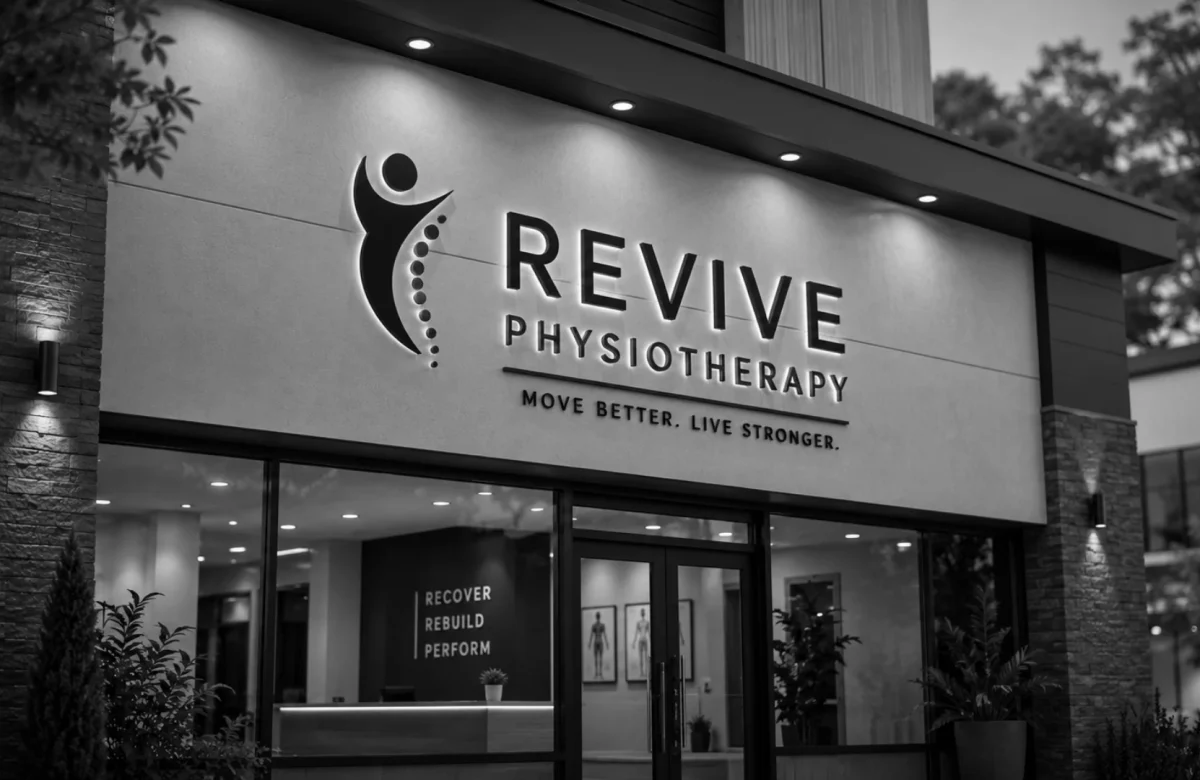
Three-dimensional signage creates a premium, professional look that flat printed signs simply cannot match. Individual letters, logos, or shapes are fabricated from materials like acrylic, aluminium, or stainless steel and mounted directly onto walls, fascias, or reception areas.
This type of signage is particularly popular among brand-identity-conscious businesses; its dimensional quality conveys durability and permanence. It works exceptionally well as reception signage inside offices or as exterior branding on corporate buildings.
Best for: Corporate offices, high-end retail, hotels, professional services firms, and brand-led businesses wanting a premium presence.
Key considerations:
• Acrylic 3D letters can be backlit (halo-lit) for a premium glowing effect at night
• Stainless steel and brushed aluminium finishes project a high-end, corporate aesthetic
• Works powerfully when paired with a professionally designed brand identity system
5. Vehicle Wraps and Fleet Signage
Vehicle wraps transform your business vehicles into mobile billboards, generating brand impressions across every suburb, road, and car park your team visits. In 2026, vehicle wraps are one of the fastest-growing signage formats for small and medium Australian businesses.
The trend in 2026 is toward bolder, simpler wrap designs that prioritise brand recognition over excessive detail, clean logos, strong colours, and a single clear call to action (phone number or website).
Best for: Trades businesses (plumbers, electricians, builders), delivery services, food trucks, and any business that operates across a geographic service area.
Key considerations:
• A professionally wrapped vehicle creates trust and familiarity before a customer ever visits your website
• Full wraps, partial wraps, and simple decals are available at different price points
• High-quality cast vinyl lasts 5–7 years in Australian conditions; avoid cheaper calendered vinyl for full wraps
6. Pylon and Pole Signs
Pylon signs are the large, freestanding signs you typically see towering above petrol stations, shopping centres, or businesses set back from the road. They’re designed for maximum visibility from a distance, including from fast-moving traffic.
Monument signs are a lower-profile variation of pylon signs, typically ground-mounted at the entrance of a business park, office complex, or estate.
Best for: Businesses set back from the road, large retail complexes, car dealerships, petrol stations, businesses near highways or main roads.
Key considerations:
• Pylon signs require council approval and often engineering certification in Australia
• They represent a significant investment but offer unmatched visibility for the right location
• Digital pylon signs with LED displays are increasingly popular for businesses that want to rotate messages or promotions
7. Indoor and Wayfinding Signs
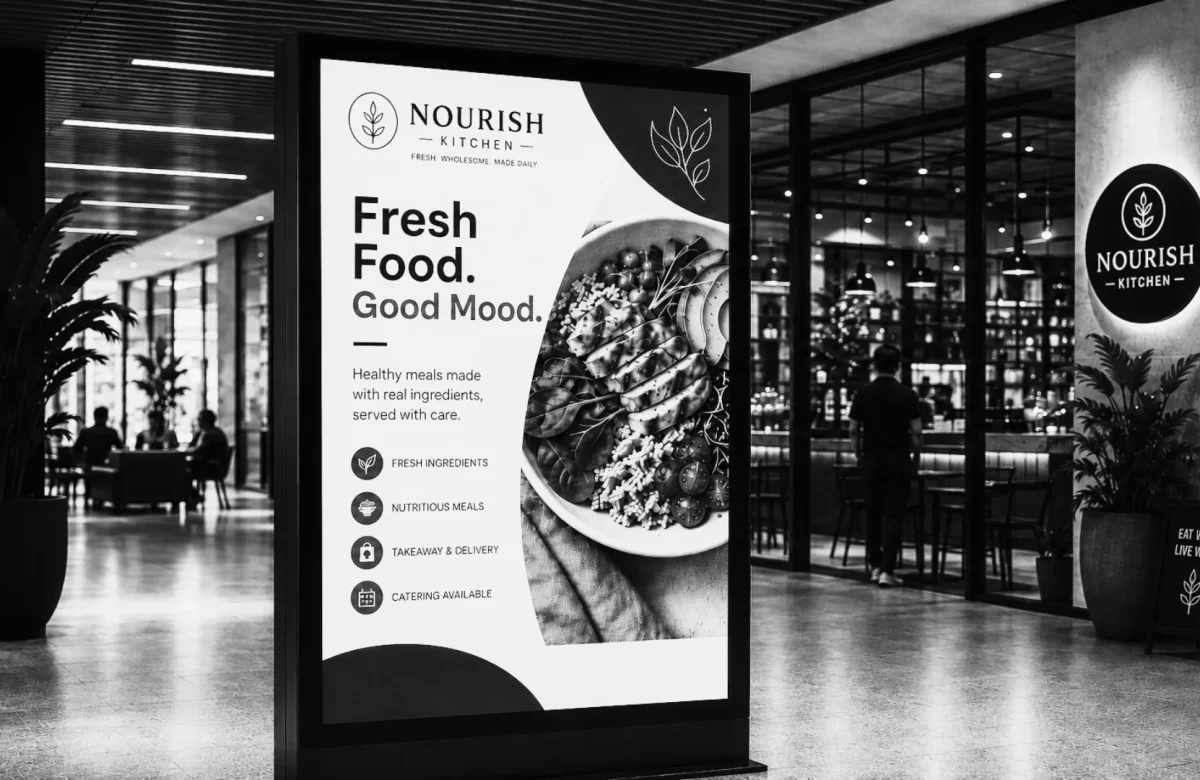
Indoor signage guides customers through your space, reinforces your brand at every touchpoint, and creates a professional, cohesive environment. For larger retail spaces, medical centres, office buildings, or hospitality venues, clear wayfinding signage directly impacts customer experience and time spent in-store.
Indoor signs include reception wall graphics, directional signs, room identification signs, menu boards, point-of-sale signage, and decorative brand elements.
Best for: Retail stores, shopping centres, hospitals, corporate offices, hotels, restaurants, and any multi-level or multi-room business environment.
Key considerations:
• Consistency across all indoor signage elements, such as fonts, colours, and materials, is critical for a professional result
• Ceiling-hung suspended panels work well for large floor areas with high foot traffic
• Indoor wayfinding directly affects how long customers stay and how confident they feel in your space
8. A-Frame and Portable Signs
A-frame signs (also called sandwich boards) are freestanding, portable signs placed on footpaths or near entrances to capture passing foot traffic. They’re one of the most cost-effective signage tools for small Australian businesses, particularly those in high-pedestrian areas.
In 2026, A-frames with chalkboard or whiteboard surfaces remain popular for cafes and restaurants, while printed corflute and aluminium A-frames are widely used for retail promotions and real estate.
Best for: Cafes, restaurants, hair salons, retail stores, real estate agencies, pop-up stalls, markets.
Key considerations:
• Check local council regulations; some Melbourne CBD areas restrict footpath signage placement
• Weighted bases or wall anchors are recommended in windy Australian conditions
• Changeable insert A-frames allow you to update messaging without replacing the entire sign
How to Choose the Right Signage Type for Your Business
With so many options available, the right choice comes down to five key questions:
| Question | What It Determines |
|---|---|
| Where is your business located? | Visibility needs roadside vs. pedestrian vs. office park |
| Who is your target customer? | Tone and design approach premium vs. approachable |
| What hours do you operate? | Whether illuminated signage is needed |
| What is your budget? | Materials, size, and signage type |
| What does your brand look like? | Whether 3D, dimensional, or simple flat signage fits better |
For most small Australian businesses, the most effective starting point is professional custom signage that combines a strong fascia sign with complementary window graphics. This provides both street-level visibility and an opportunity to communicate your brand personality.
Need help deciding? Read our guide on outdoor signage options for small businesses for a more detailed breakdown by business type.
Business Signage Costs in Australia (2026)
Signage costs in Australia vary depending on type, size, materials, and complexity. Here’s a realistic overview:
| Signage Type | Typical Cost Range (AUD) |
|---|---|
| Window graphics/decals | $200 – $1,500 |
| A-frame / portable signs | $100 – $600 |
| Shopfront fascia sign (non-illuminated) | $800 – $3,500 |
| 3D lettering (acrylic/aluminium) | $1,000 – $5,000 |
| Illuminated / LED lightbox sign | $1,500 – $8,000 |
| Vehicle wrap (full) | $2,500 – $6,000 |
| Pylon/monument sign | $2,500 – $15,000+ |
| Digital LED pylon sign | $10,000 – $50,000+ |
Costs are estimates and vary by supplier, location, and project complexity. Always request a detailed quote from your signage provider.
Frequently Asked Questions
What is the most common type of business signage in Australia?
Shopfront fascia signs are the most widely used type of business signage in Australia. They are mounted directly onto a building’s facade and serve as the primary identifier of a business from the street. They’re used across retail, hospitality, healthcare, and professional services.
Do I need council approval for business signage in Australia?
In most cases, yes. Australian councils regulate signage size, placement, illumination, and design, particularly in heritage areas, residential zones, and the CBD. Requirements vary significantly between Melbourne, Sydney, Brisbane, and other cities. Working with a professional signage company that understands local regulations helps avoid costly delays or fines.
How long does business signage last in Australian conditions?
Quality outdoor signage using UV-stable materials like aluminium composite panels, acrylic, and cast vinyl typically lasts 5–10 years in Australian conditions. Cheaper materials can fade, warp, or peel within 1–2 seasons due to the intensity of the Australian sun and weather. Investing in quality materials upfront saves money long-term.
What type of signage is best for a small business with a low budget?
For budget-conscious small businesses, A-frame signs and window graphics offer the best value. A professionally designed window graphic for $300–$800 can dramatically improve your shopfront appearance and communicate your brand without a major investment.
Can signage design affect my brand identity?
Absolutely signage is often the first physical touchpoint between your brand and a potential customer. Inconsistent or poor-quality signage undermines brand credibility, while professionally designed signage reinforces trust and recognition. For a deeper look at how signage fits into your overall brand, read our guide on brand identity design.
What signage works best for a Melbourne business?
Melbourne’s diverse business landscape supports all signage types, but shopfront fascia signs, illuminated LED signs, and window graphics are the most commonly used for small to medium businesses. For businesses on busy strips like Chapel Street, Brunswick Street, or the CBD, high-visibility illuminated signage offers the strongest return on investment.
Conclusion
Choosing the right type of business signage comes down to your location, your brand, your customer, and your budget. Here are the three key takeaways:
• Start with your shopfront: a professional fascia sign and window graphics are the foundation of any physical business presence
• Think visibility first: if you’re in a high-traffic or after-hours area, illuminated LED signage pays for itself quickly
• Invest in quality: Australian conditions are tough on signage; cheap materials cost more in the long run
Ready to get professional signage designed for your Australian business? Contact Saga Designs, we design and produce custom signage for businesses across Melbourne and Australia.