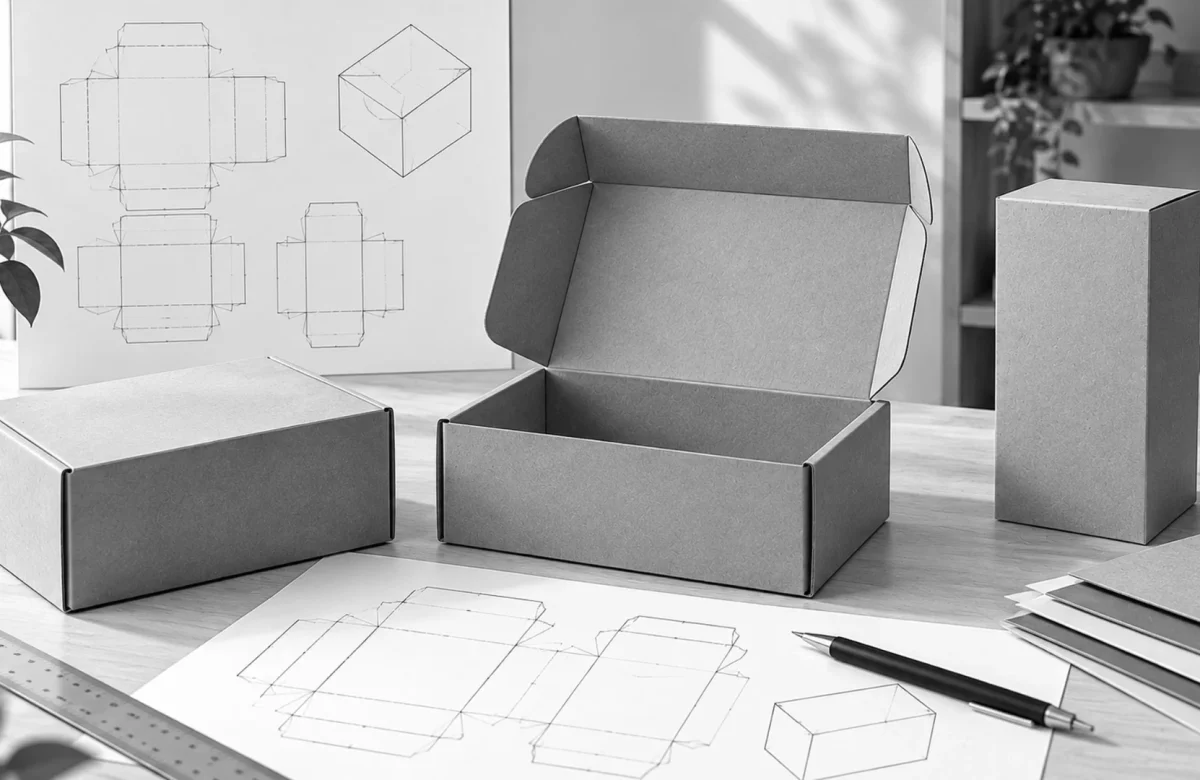

3D product modeling for ecommerce is the process of creating a digital three-dimensional replica of your product that customers can view, rotate, and interact with online. Australian ecommerce businesses use 3D models to replace or supplement traditional product photography, reduce return rates, and increase customer confidence before purchase. When a customer shops online, they cannot pick up your product, turn it over, or check how it looks from every angle. That gap between what a flat photo shows and what a customer actually wants to know is one of the biggest drivers of purchase hesitation and product returns in Australian ecommerce.
3D product modelling closes that gap. It gives your customers an interactive, photorealistic view of your product from every angle, on any device, without a single photoshoot. For product businesses selling online in Australia, it is one of the most practical investments available to improve conversion rates and reduce the cost of returns.
This guide explains how 3D product modelling works for ecommerce, what it costs, how it compares to traditional product photography, and how to get started. If you are new to 3D modelling, our guide on what is 3D product modeling and how it works covers the fundamentals before you dive into e-commerce applications.
What Is 3D Product Modeling for Ecommerce?
3D product modelling for ecommerce is the creation of a photorealistic digital replica of a physical product that can be embedded on a product page, rotated 360 degrees by the customer, and viewed in augmented reality on a mobile device. Unlike a flat product photo, a 3D model lets the customer explore every surface, angle, and detail of a product before buying.
The 3D model is built from reference images, technical drawings, or a physical sample of your product, using specialised 3D modelling software. Once complete, the model is exported in a web-compatible format such as GLB or USDZ and embedded directly into your Shopify, WooCommerce, or custom ecommerce store.
Customers interact with the model using a simple 3D viewer embedded on your product page. They can rotate the product, zoom in, and on mobile devices, place the product in their own physical space using augmented reality. No app download is required.
3D product modeling is used across a wide range of Australian ecommerce categories including furniture, homewares, fashion accessories, electronics, jewellery, footwear, and industrial products.
Why Do Australian Ecommerce Businesses Use 3D Product Models?
Australian ecommerce businesses use 3D product models to increase purchase confidence, reduce product returns, and lower the ongoing cost of product photography as their range grows.
The data behind 3D modelling adoption is strong. According to 3D ecommerce research published by Shopify Australia, 66 per cent of shoppers show a strong interest in purchasing online when 3D product visualisation is available. Products with 3D models have been shown to generate up to 94 per cent more conversions than products with standard flat photography alone.
Reduced product returns. The most expensive problem in Australian ecommerce is not acquiring customers. It is the cost of returns. Most returns happen because the product did not match the customer’s expectations from the photos. A 3D model that shows every angle, material texture, and proportion accurately sets a correct expectation before purchase. Businesses that implement 3D models typically report a measurable reduction in return rates within the first quarter.
Lower cost of photography at scale. A traditional photoshoot for a new product costs between $300 and $1,500 per SKU in Australia when you factor in photography, styling, editing, and reshooting for different colourways. A 3D model can be rendered in any colour, on any background, and from any angle without a single additional photoshoot. For businesses with large or frequently updated product ranges, this cost saving compounds significantly over time.
Real example: Temple and Webster, the Australian online furniture and homewares retailer, uses 3D product modelling and augmented reality across their product catalogue. Customers can view furniture pieces in their own rooms before purchasing. The result is a measurable reduction in returns and a stronger purchase conversion rate for products with 3D visualisation compared to those with standard photography only.
How Does 3D Product Modeling Work?
3D product modeling for ecommerce follows a structured production process from brief to final delivery. Understanding the process helps you brief your 3D modeling studio accurately and set realistic timelines.
Step 1: Product reference and brief. Your 3D modelling studio needs accurate reference materials to build the model. This includes high-resolution photos from multiple angles, technical drawings or dimensions if available, material and texture specifications, and colour references. The more accurate your reference materials, the closer the finished model will be to your physical product.
Step 2: 3D model construction. The modeller builds a three-dimensional mesh of your product in specialist software. Every surface, curve, edge, and detail is constructed digitally. This stage typically takes two to five working days, depending on the complexity of the product.
Step 3: Texturing and materials. Once the 3D mesh is complete, materials and textures are applied to the surface. Wood grain, fabric weave, metal reflections, leather texture, and matte or gloss finishes are all reproduced digitally. This is the stage that determines how photorealistic the finished model looks.
Step 4: Rendering and export. The completed model is rendered at high resolution and exported in the formats required for your ecommerce platform. For Shopify, the standard format is GLB. For Apple devices and augmented reality, USDZ is used. Your studio will supply both.
Step 5: Integration and testing. The model is embedded into your product page using your platform’s native 3D viewer or a third-party viewer tool. It is tested across desktop and mobile to confirm that the interaction, load speed, and visual quality meet the required standard.
For a detailed walkthrough of the full modeling production process, our guide on how to create a 3D product model step by step covers each stage in full.
What Is the Difference Between 3D Modeling and Product Photography?
3D product modeling and traditional product photography serve the same purpose: showing your product to a customer before purchase. They differ significantly in cost structure, flexibility, and what they allow the customer to do.
Traditional product photography requires a physical sample, a photographer, a studio or location, styling, and post-production editing. Every new colourway, size variant, or background requires a separate shoot. For a product range with twenty SKUs across three colourways, that is sixty separate shoots.
3D product modeling requires a one-time investment to build the digital model. After that, new colourways are rendered digitally without a reshoot. New backgrounds, contexts, and lifestyle scenes are added without a studio booking. The model can be updated if a product detail changes without rebuilding from scratch.
| Comparison | Traditional Photography | 3D Product Modeling |
|---|---|---|
| Upfront cost per product | $300 to $1,500 | $400 to $2,000 |
| Cost to add a new colourway | Full new photoshoot | Render only, no reshooting |
| Customer interaction | Static images only | Rotate, zoom, AR view |
| Turnaround for new content | Days to weeks | Hours to days |
| Physical sample required | Yes, always | No, can build from drawings |
| Augmented reality capable | No | Yes, on compatible devices |
| Consistency across range | Variable | Identical rendering standard |
For products that change frequently, have multiple variants, or where augmented reality is a commercial priority, 3D modeling delivers a lower cost per asset over time than traditional photography.
For products where lifestyle context and human interaction are central to the buying decision, traditional photography combined with 3D modeling delivers the strongest result.
Real example: Koala, the Sydney furniture brand, combines lifestyle photography with 3D product visualisation on their product pages. The lifestyle photos create an emotional connection. The 3D viewer answers the detailed product questions. The combination delivers stronger conversion rates than either format alone.
How Much Does 3D Product Modeling Cost in Australia?
3D product modeling costs in Australia vary based on product complexity, level of detail, and the number of models required. Here is a realistic cost breakdown for Australian ecommerce businesses in 2026.
Simple products (jewellery, small homewares, accessories with minimal detail): $400 to $800 per model.
Medium complexity products (furniture, footwear, electronics, packaging with surface detail): $800 to $1,500 per model.
High complexity products (machinery, vehicles, products with moving parts or complex material combinations): $1,500 to $3,000 per model.
Volume pricing. Most Australian 3D modeling studios offer reduced per-unit pricing for product ranges of five or more models. A range of ten medium-complexity products typically costs $6,000 to $10,000 rather than the per-unit rate multiplied by ten.
Ongoing rendering. Once a model exists, rendering it in a new colour, background, or context costs $50 to $200 per render, compared to $300 to $1,500 for a new photoshoot. The payback period on a 3D model investment is typically six to twelve months for a product with three or more colourways.
| Product Type | 3D Model Cost (AUD) | Traditional Photo Cost (AUD) |
|---|---|---|
| Simple product (1 colourway) | $400 to $800 | $300 to $600 |
| Medium complexity (3 colourways) | $800 to $1,500 + renders | $900 to $4,500 (3 shoots) |
| Complex product (5 colourways) | $1,500 to $3,000 + renders | $1,500 to $7,500 (5 shoots) |
To see what a professional 3D product modeling project includes from brief to delivery, our product 3D modeling Australia service page covers deliverables, process, and how to get started.
How Do You Get Started with 3D Product Modeling for Your Online Store?
Getting started with 3D product modeling for your Australian ecommerce store is a straightforward process when you approach it in the right order.
Step 1: Identify your highest-priority products. Start with the products that have your highest return rate or the highest purchase abandonment rate. These are the products where a 3D model will deliver the fastest return on investment.
Step 2: Gather your reference materials. For each product, collect high-resolution photos from at least six angles, the product dimensions, and material specifications including colour codes, finish types, and texture references. If you have technical drawings or CAD files, include those too.
Step 3: Choose your ecommerce platform’s 3D capability. Shopify natively supports 3D models in GLB format on product pages. WooCommerce supports 3D models through third-party viewer plugins. Confirm your platform’s requirements before briefing a studio so the delivered files are in the correct format.
Step 4: Brief a 3D modeling studio. Share your reference materials, your platform requirements, and the intended use of the models (product page viewer, augmented reality, or both). A professional brief reduces revision rounds and ensures the finished model meets your ecommerce requirements.
Step 5: Test before going live. Before adding 3D models to your live product pages, test the viewer on both desktop and mobile across multiple browsers. Confirm load speed is acceptable and that the AR view works correctly on iOS and Android devices.
Real example: Canningvale, the Australian bedding and homewares brand, implemented 3D product visualization across their online store to help customers better understand fabric texture and product scale before purchasing. The result was a measurable improvement in customer confidence metrics and a reduction in the volume of pre-purchase customer service enquiries.
For context on how 3D modeling fits within the broader question of whether AI tools are changing the modeling industry, our guide on whether AI is replacing 3D modeling gives a direct and practical answer.
Frequently Asked Questions
What is 3D product modeling for ecommerce?
3D product modeling for ecommerce is the creation of a photorealistic digital replica of a physical product that customers can rotate, zoom, and view in augmented reality on your product page. It replaces or supplements traditional product photography and gives customers a more complete view of your product before purchase. It is compatible with major ecommerce platforms including Shopify and WooCommerce.
How much does 3D product modeling cost for an Australian ecommerce business?
3D product modeling in Australia costs between $400 and $3,000 per product depending on complexity. Simple products such as jewellery and small accessories start from $400. Medium complexity products such as furniture and footwear range from $800 to $1,500. Once a model exists, rendering it in new colourways costs $50 to $200 per render, making it more cost-effective than traditional photography for products with multiple variants.
Does 3D product modeling reduce ecommerce returns in Australia?
Yes. The primary cause of online product returns is a mismatch between what the customer expected from the product photos and what they received. 3D models give customers a more accurate and complete view of the product before purchase, setting correct expectations. Research from Shopify indicates that products with 3D visualization generate up to 94 percent more conversions and produce measurably lower return rates compared to products with standard flat photography.
How long does it take to create a 3D product model in Australia?
A standard 3D product model takes five to ten working days from brief to final delivery, depending on product complexity and the quality of reference materials provided. Simple products with good reference photos are typically delivered in five to seven days. Complex products with many surface details or moving parts take seven to fourteen days. Rush timelines are available from most Australian studios at an additional cost.
Can 3D product models be used for augmented reality on mobile devices?
Yes. 3D product models built in GLB format support augmented reality on Android devices, and models in USDZ format support AR on Apple iOS devices. Augmented reality allows your customers to place a virtual version of your product in their own physical space using their phone camera before purchasing. This is particularly valuable for furniture, homewares, and larger products where scale and fit in the customer’s space are key purchase considerations.
What is the difference between 3D product modelling and 3D rendering for ecommerce?
3D product modelling is the process of creating a digital three-dimensional mesh of your product. 3D rendering is the process of producing a final photorealistic image or interactive viewer from that model. In ecommerce, both terms are often used interchangeably. A complete 3D ecommerce solution includes both the model construction and the rendered output in the format your platform requires.
Conclusion
3D product modelling is no longer a technology reserved for large Australian retailers. The cost of creating professional 3D product models has fallen significantly, minimum order quantities from Australian studios have dropped, and every major ecommerce platform now supports 3D viewers natively. For product businesses selling online in Australia, the question is not whether 3D modelling is worth it. It is which products to start with and how quickly you can close the gap between what your customers see on screen and what they receive at their door. Saga Designs works with Australian ecommerce businesses to produce professional 3D product models that reduce returns, improve conversion rates, and scale efficiently across growing product ranges. View our 3D product modeling services Australia and get in touch to discuss your product range.