
TL;DR
Product packaging design is the process of creating packaging that protects the product while attracting customers and communicating brand identity. Designers use visual elements such as color, typography, graphics, and materials to make products stand out on shelves. Well-designed packaging improves product visibility, strengthens brand recognition, and can influence customer buying decisions.
What Is Product Packaging Design?
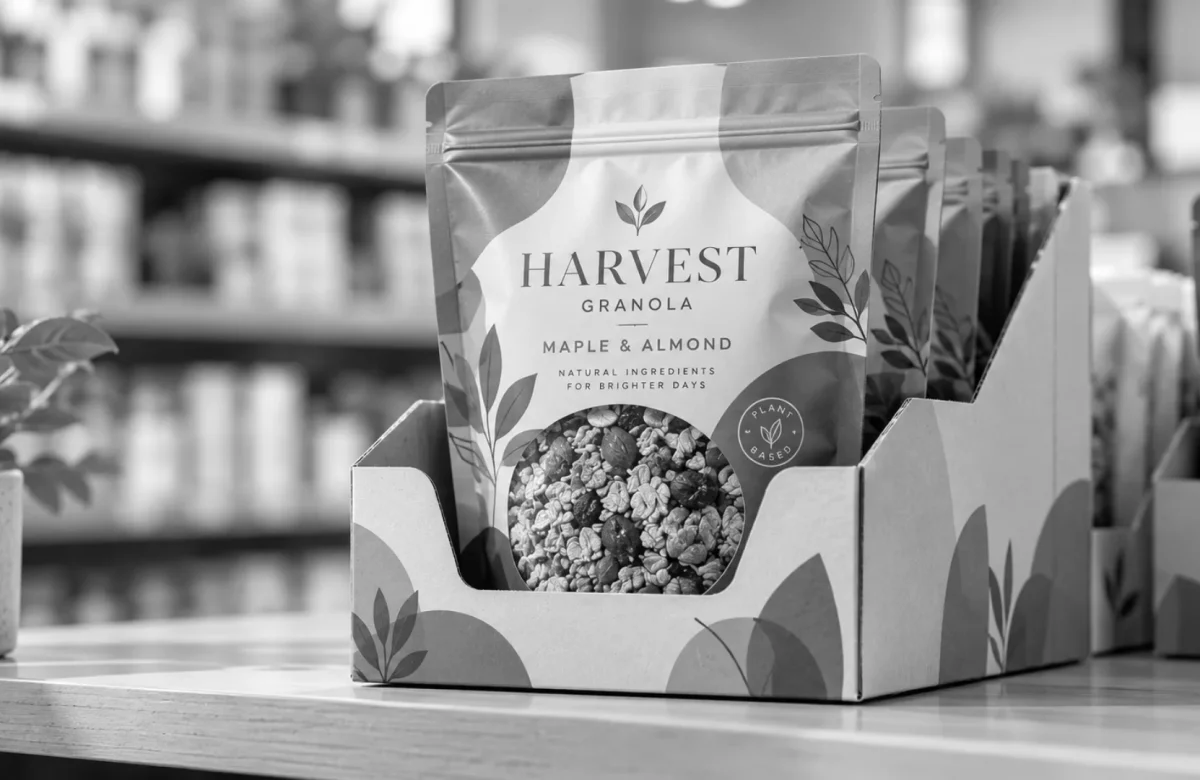
Product packaging design is the process of creating the visual appearance and physical structure that protects, presents, and communicates a product to customers.
Packaging is more than a protective container. It acts as a silent salesperson that communicates brand identity, product value, and quality before a customer even reads the label. Effective packaging helps products stand out in competitive markets while building trust with consumers.
Designers combine visual elements such as color, typography, and graphics with functional considerations like materials, durability, and usability. The goal is to create packaging that is attractive, practical, and aligned with the brand’s identity.
Why Product Packaging Design Matters for Businesses
Packaging plays a powerful role in consumer purchasing decisions. In crowded retail environments or online marketplaces, the visual presentation of a product often determines whether customers stop to consider it.
Well-designed packaging delivers several benefits:
• Creates a strong first impression
• Helps products stand out on store shelves
• Communicates brand personality and values
• Improves customer trust and perceived quality
• Encourages repeat purchases and brand recognition
Research consistently shows that consumers often make purchasing decisions within seconds. Packaging becomes a critical touchpoint that influences those decisions.
For new brands, especially, packaging can act as the primary marketing tool before customers even try the product, which is why many businesses invest in professional packaging design services.
How Packaging Influences Customer Buying Behavior
Packaging works at both a psychological and practical level. Customers evaluate products based on visual cues, emotional signals, and perceived value.
Several factors influence purchasing decisions.
Visual Attention
Colors, shapes, and graphics catch the eye first. Products that visually stand out are more likely to be noticed in stores or product listings.
Perceived Quality
Premium materials, clean typography, and thoughtful design suggest higher product quality.
Brand Recognition
Consistent packaging design helps customers remember and identify brands quickly.
Emotional Connection
Design elements can create emotional responses. Minimal designs may feel modern and premium, while colorful packaging may feel fun and energetic.
These signals influence customers long before they read product details.
Key Elements of Effective Product Packaging Design
Successful packaging design brings together multiple visual and functional elements. Each element contributes to how customers perceive the product.
Brand Identity
Packaging should clearly reflect the brand’s personality, tone, and values, which is a core part of effective brand identity design.
Consistent use of logos, brand colors, and typography ensures customers can instantly recognize the brand. Strong branding also builds trust over time.
Color Psychology
Colors strongly influence how people interpret products.
For example:
• Green often suggests natural or eco-friendly products
• Black may signal luxury or premium positioning
• Bright colors can attract attention in retail environments
Choosing colors strategically helps communicate the product’s message without words.
Typography
Fonts affect readability and brand perception.
Packaging should use typography that is easy to read from a distance and aligns with the overall logo design and brand visual identity.
• Easy to read from a distance
• Consistent with brand identity
• Appropriate for the target audience
For example, luxury brands may use elegant serif fonts, while tech products often use clean modern typefaces.
Packaging Structure
The physical shape and structure of packaging impact both functionality and shelf appeal.
Good structural design ensures:
• The product is protected during shipping and storage
• Packaging is easy to open and use
• The design looks attractive on store shelves
Unique shapes can also help products stand out among competitors, which is why many brands invest in packaging design agency in Melbourne.
Materials and Sustainability
Modern consumers increasingly care about environmental impact.
Many brands now prioritize:
• Recyclable materials
• Biodegradable packaging
• Reduced plastic usage
• Minimal packaging waste
Sustainable packaging not only reduces environmental impact but also strengthens brand reputation.
How to Design Product Packaging That Attracts Customers
Designing effective packaging requires a balance between creativity, brand strategy, and customer understanding.
Understand Your Target Audience
Packaging must resonate with the intended audience.
A product designed for children will use different colors and graphics than a luxury skincare product. Understanding the audience helps guide design decisions.
Questions to consider include:
• Who is the customer?
• What design style appeals to them?
• What problems does the product solve?
Design choices should reflect customer expectations and preferences, especially when developing product branding and packaging that communicates value clearly.
Study Competitor Packaging
Analyzing competitor products helps identify design opportunities.
Look at:
• Common color schemes in the category
• Packaging structures used by competitors
• Visual styles dominating the market
This analysis reveals how to differentiate the product while still fitting within category expectations.
Standing out while maintaining familiarity is often the most effective approach.
Focus on Clarity and Simplicity
Cluttered packaging can confuse customers and reduce visual impact.
Clear packaging design communicates key information quickly:
• Product name
• Brand name
• Key benefit or feature
Minimal and organized layouts often perform better because customers can understand them instantly.
Make the Product Value Clear
Customers should quickly understand what the product is and why it matters.
Effective packaging highlights:
• The main benefit of the product
• Key features or ingredients
• Unique selling points
When customers understand the value quickly, they are more likely to consider buying the product.
Create Shelf Impact
Retail shelves are crowded with competing products.
Designers often create shelf impact using:
• Bold colors
• Unique shapes
• Large typography
• High contrast layouts
The goal is simple. Make customers notice the product from a distance.
Common Mistakes in Packaging Design
Even experienced brands sometimes overlook important packaging principles.
Overcomplicated Design
Too many colors, graphics, or text can overwhelm customers.
Simple designs often communicate more effectively.
Ignoring Practical Usability
Packaging that is difficult to open or store creates a poor user experience.
Design must balance aesthetics with usability.
Weak Branding
If packaging does not clearly show the brand identity, customers may forget the product.
Strong brand visibility helps build long-term recognition.
Poor Readability
Small fonts or low contrast text can make important information difficult to read.
Customers should be able to understand packaging quickly.
Best Practices for Successful Packaging Design
Brands that succeed with packaging design often follow a few key principles.
Keep Branding Consistent
Consistent branding across packaging builds familiarity and trust, supported by strong logo design for product brands and consistent visual elements.
Use the same logo placement, colors, and typography across products whenever possible.
Design for Both Retail and Online
Packaging today must work in both physical stores and online marketplaces.
Online shoppers often see only a product image first. Packaging should look attractive in photographs and thumbnails.
Test Packaging with Real Customers
Customer feedback helps identify design improvements.
Brands often test packaging by gathering reactions from target customers before finalizing the design.
This helps ensure the packaging communicates the intended message.
Balance Creativity and Function
Creative packaging attracts attention, but functionality must never be ignored.
Effective packaging protects the product, communicates information clearly, and creates a positive user experience.
Pros and Cons of Investing in Premium Packaging
Advantages
• Stronger brand perception
• Higher customer engagement
• Better shelf visibility
• Increased perceived product value
• Improved brand recognition
Potential Drawbacks
• Higher production costs
• Longer design and development timelines
• More complex logistics for unique packaging structures
For many brands, however, the marketing benefits often outweigh the additional costs.
Frequently Asked Questions
Q: What makes product packaging attractive to customers?
A: Attractive packaging combines color, typography, graphics, and structure in a visually appealing way. It should clearly communicate the product’s purpose, highlight brand identity, and create a strong visual impact that catches customer attention on shelves or online listings.
Q: Why is packaging important in product marketing?
A: Packaging acts as a marketing tool that influences purchasing decisions. It helps products stand out, builds brand recognition, and communicates product value quickly. Good packaging can increase perceived quality and encourage customers to try a product.
Q: How does packaging design affect sales?
A: Packaging affects sales by attracting attention, communicating benefits, and building trust with consumers. Products with strong packaging often perform better in competitive markets because customers notice them more easily and perceive them as higher quality.
Q: What are the key elements of effective packaging design?
A: Effective packaging design includes clear branding, appealing colors, readable typography, durable materials, and a functional structure. These elements work together to create packaging that protects the product while communicating its value.
Q: How do you make packaging stand out on store shelves?
A: Packaging stands out through bold colors, clear typography, unique shapes, and strong contrast. Designers often focus on creating a visual focal point that catches the customer’s attention from a distance.
Q: What role does sustainability play in packaging design?
A: Sustainable packaging uses recyclable or biodegradable materials and minimizes waste. Many consumers prefer environmentally responsible brands, so sustainable packaging can improve brand reputation and customer loyalty.
Key Takeaways
• Product packaging design strongly influences customer purchasing decisions.
• Attractive packaging combines branding, color, typography, and structure.
• Clear and simple packaging often performs better than cluttered designs.
• Strong branding improves product recognition and customer trust.
• Sustainable packaging is becoming increasingly important to modern consumers.
• Testing designs with real customers helps refine packaging effectiveness.
Conclusion
Product packaging design is far more than just a protective layer around a product. It plays a major role in attracting attention, communicating brand identity, and influencing purchasing decisions. In competitive markets, packaging often becomes the first interaction a customer has with a brand, making thoughtful design essential.
Effective packaging balances visual appeal with functionality. Elements like color, typography, materials, and structure work together to present the product clearly while reflecting the brand’s personality. When packaging aligns with the expectations of the target audience, it creates a stronger shelf presence and improves customer engagement.
Avoiding common design mistakes, focusing on clarity, and maintaining consistent branding can significantly improve how products perform in the market. Businesses that approach packaging as part of their overall brand strategy often build stronger recognition and long-term customer trust.
At SAGA Designs, we regularly see how well-planned packaging can transform how a product is perceived. As a graphic design agency, our approach focuses on combining branding, visual storytelling, and practical design thinking to create packaging that attracts customers while supporting real business growth. For brands looking to strengthen their market presence, investing in thoughtful packaging design is often one of the most impactful decisions they can make.