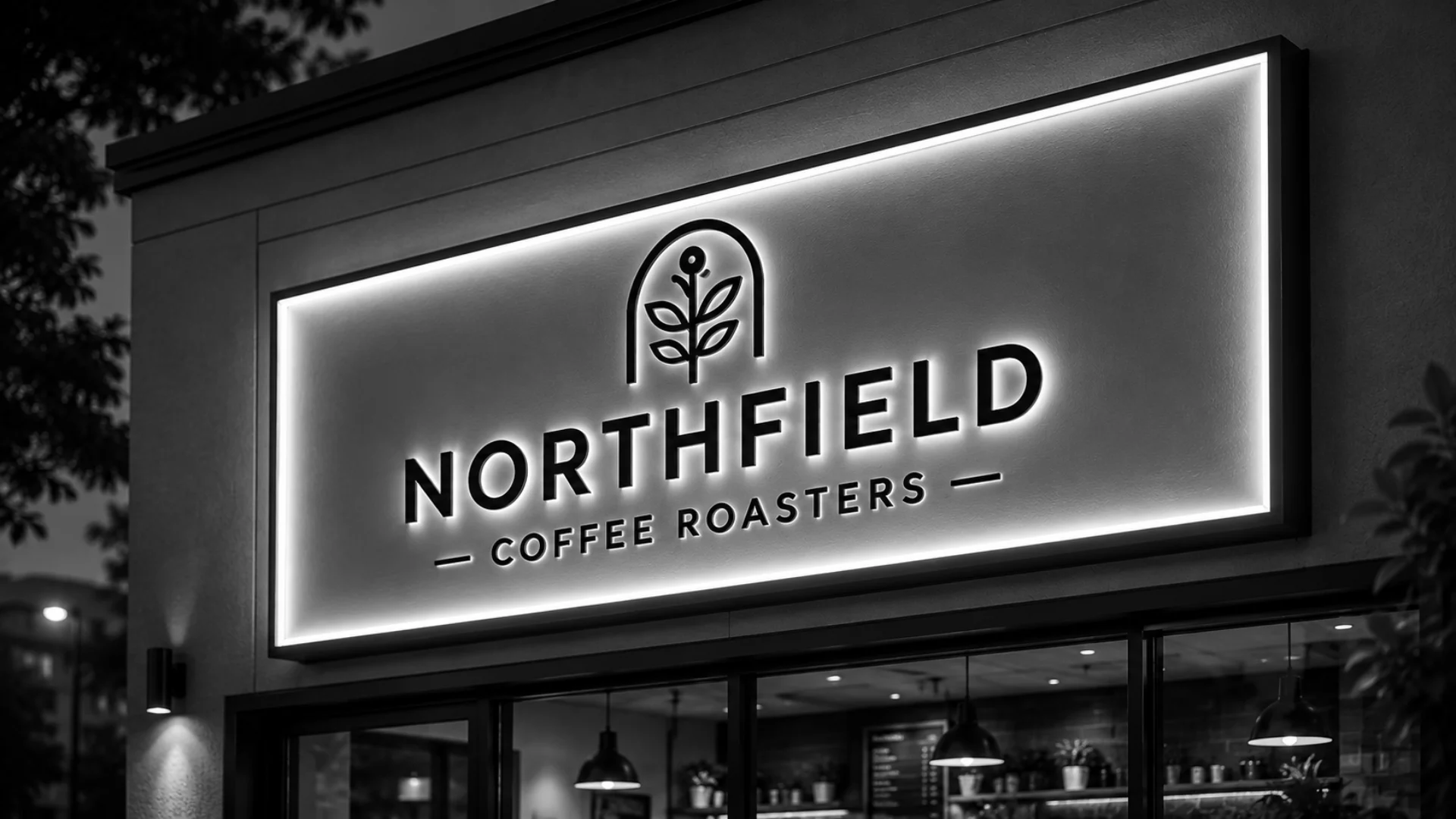
LED backlit and front-lit channel letters are now the default choice for most Melbourne shopfronts. LED modules are consistently rated at 50,000 or more operating hours, roughly three to four times a neon tube’s typical 8,000 to 15,000 hours, and use significantly less energy, which is why neon has shifted from a cost-driven default to a deliberate style choice. A typical illuminated fascia sign installed in Melbourne runs $4,500 to $15,000 depending on size, letter count, and illumination method. This guide breaks down what drives that cost and which type of illumination actually fits your shopfront.
Key Takeaways
• LED and neon are illumination methods, front-lit and backlit are illumination styles, these are two different decisions, not one
• LED modules consistently outlast neon tubes by three to four times, and use meaningfully less energy per hour of operation
• A typical illuminated fascia sign in Melbourne costs $4,500 to $15,000 installed, depending on size and illumination type
• Illuminated signs more often trigger council approval than static signage, particularly near residential zones
• Saga Designs helps Melbourne businesses choose and install the right illumination type for their specific shopfront
Introduction
A shopfront that isn’t lit effectively stops working the moment the sun goes down. If you’re new to signage generally, our guide on the basics of business signage is a good place to start before this one.
Most business owners know they want something illuminated, but don’t yet know whether that means LED channel letters, a lightbox, backlit letters, or neon, or what actually drives the cost between them. This guide breaks down each illumination type, real Melbourne cost ranges, and how to choose.
What Counts as “Illuminated Signage”?
Illuminated signage covers two genuinely separate decisions, the illumination method, LED, neon, or fluorescent, and the illumination style, front-lit, backlit, or an internally lit lightbox, and getting these confused is where most of the uncertainty around this topic actually comes from.
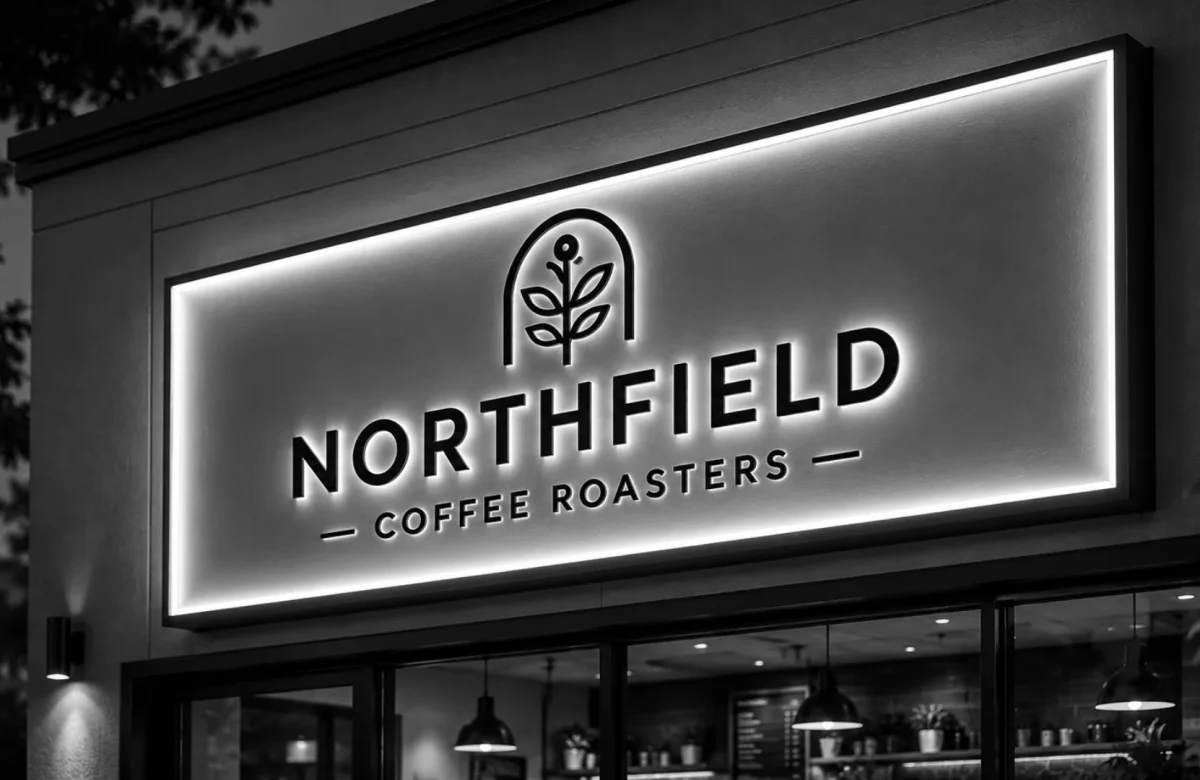
LED channel letters are individual raised letters lit by light-emitting diodes, the most common modern choice. Neon uses bent glass tubing filled with gas, the traditional option with a distinctive warm glow.
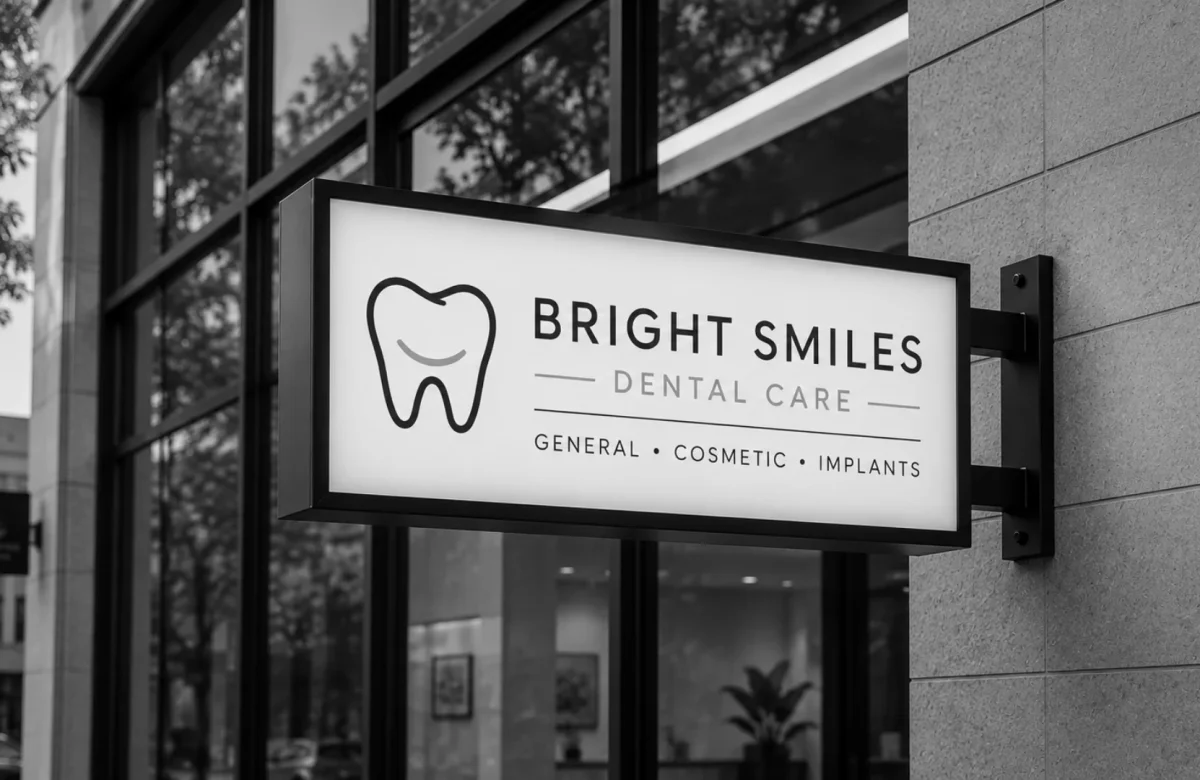
A lightbox is a flat, internally lit panel, the letters or logo printed onto a translucent face. Front-lit means the light source shines outward through the face of the letter directly. Backlit, sometimes called halo-lit, means the light shines from behind the letter, creating a soft glow around its edges against the wall rather than lighting the letter face itself.
LED vs Neon vs Fluorescent: Lifespan, Energy Use, and Total Cost of Ownership
LED wins on lifespan and running cost for nearly every Melbourne shopfront use case, while neon remains a deliberate style choice rather than a cost-driven default the way it once was.
Across multiple industry sources, LED modules are consistently rated at 50,000 or more operating hours, with some manufacturers rating them considerably higher. Neon tubing is consistently rated at 8,000 to 15,000 hours before glass, gas, or electrode issues typically cause failure.
At a realistic 10 to 14 hours of daily operation, that gap translates to LED signage running for well over a decade before replacement becomes likely, against neon needing replacement components within two to four years.
Energy consumption follows the same pattern, LED signage consistently uses significantly less power per hour of operation than an equivalent neon installation, which compounds into a real difference on an electricity bill for a sign running most of the day, every day.
| Type | Typical Lifespan | Relative Energy Use | Best For |
| LED channel letters | 50,000+ hours | Low | Most modern shopfronts, long operating hours |
| Neon (glass tube) | 8,000-15,000 hours | High | Retro, hospitality, deliberate style choice |
| Fluorescent lightbox | Moderate, shorter than LED | Moderate | Budget-conscious internally lit signage |
A failed neon tube typically can’t be patched, it needs replacing with a custom hand-bent tube, an increasingly specialised skill. LED module replacement uses standardised parts a technician can usually swap in a single visit, which matters as much for ongoing maintenance simplicity as it does for the raw lifespan numbers.
Front-Lit vs Backlit Channel Letters: Which Suits Your Shopfront?
Front-lit is the simpler, generally more affordable default for direct legibility, while backlit, or halo-lit, suits a business wanting a softer, more premium glow effect rather than a brightly lit letter face.
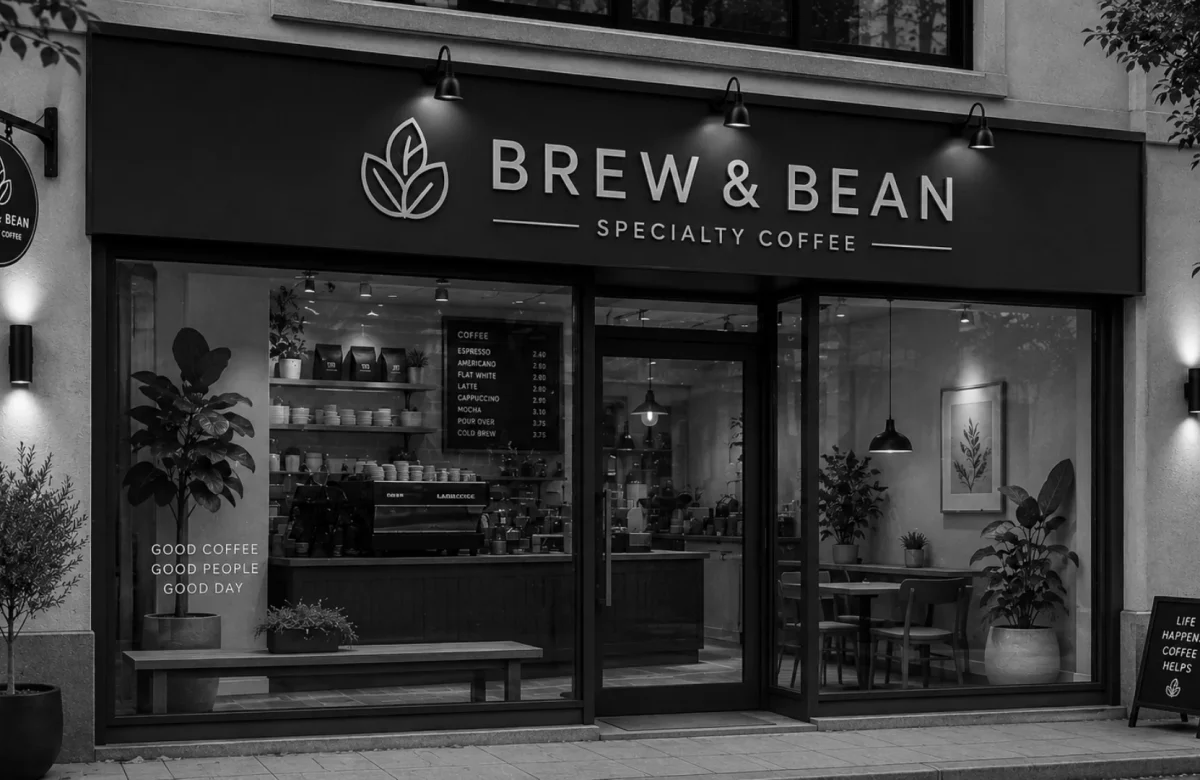
Front-lit letters are the clearest, most legible option from a distance, since the light shines directly outward through the letter itself, the practical choice for most retail and hospitality shopfronts prioritising visibility.
Backlit letters create a more subtle, ambient glow around the letter’s edge against the wall behind it, often chosen by boutique or premium brands wanting a more considered, softer aesthetic rather than maximum brightness.
Neither is objectively better, the right choice depends on whether the priority is being read clearly from a distance or creating a specific brand feeling up close.
How Much Does Illuminated Signage Cost in Melbourne?
A typical illuminated fascia sign installed in Melbourne costs $4,500 to $15,000, covering a standard retail installation with face-lit channel letters, with the final number driven by size, letter count, and illumination method.
For a broader breakdown of signage pricing generally, our full signage cost breakdown covers this in more detail. Within the illuminated category specifically, a basic LED installation with a small number of letters sits toward the lower end of that range, while a larger installation, a backlit treatment, or a full lightbox sits toward the upper end.
Mounting height, access difficulty, and whether council approval is needed also genuinely affect the final cost, not just the sign itself.
| Tier | What’s Typically Included | Approximate Range |
| Basic LED | Small letter count, front-lit, straightforward mounting | Lower end of $4,500-$15,000 |
| Standard channel letters | Moderate size, front-lit or backlit, standard install | Mid-range |
| Premium backlit or lightbox | Larger installation, backlit or full lightbox, complex mounting | Upper end of $4,500-$15,000 |
Does Illuminated Signage Actually Drive Foot Traffic and Sales?
Signage generally has a well-documented effect on purchase decisions, though the available verified research speaks to signage broadly rather than illumination specifically, worth being upfront about rather than overstating a precise illumination-only figure.
A FedEx Office survey found a majority of consumers have entered a store they hadn’t previously visited based on its signage, and a meaningful share have purchased something specifically because a sign caught their attention.
Separately, research conducted by the Sign Research Foundation has found that a significant share of shoppers choose where to shop based on information communicated by a store’s signage.
These findings are about signage’s effect generally, not proof that illumination specifically drives a certain percentage increase, a distinction worth being honest about rather than attaching an exact number to illumination alone that the research doesn’t actually isolate.
LED Backlit Signage and Melbourne Council Requirements
Illuminated signs more often trigger local council planning approval than non-illuminated signage, particularly near residential zones or in heritage overlay areas, and requirements vary genuinely by council rather than following one blanket Victorian rule.
This is worth checking early, before finalising a design, not after. A signage company in melbourne having experience in illuminated signage specifically should already be factoring this into a project, including brightness and operating hour restrictions that sometimes apply near residential areas.
How to Choose the Right Illuminated Signage for Your Business
Match illumination type to your trading hours, brand positioning, and shopfront architecture, not just budget alone, since the cheapest option upfront isn’t always the cheapest over the life of the sign.
A business trading late or operating extended hours benefits most from LED’s lifespan and consistent brightness. A boutique or premium brand might genuinely suit a backlit halo effect over a brighter front-lit option.
A business working within a tighter budget can still get strong results from front-lit LED, which remains the most affordable illuminated option without sacrificing the lifespan advantage over neon or fluorescent alternatives.
Frequently Asked Questions
How much does illuminated signage cost in Melbourne?
A typical installed illuminated fascia sign costs $4,500 to $15,000, depending on size, letter count, and illumination method. See our full signage cost guide for a broader breakdown across all signage types.
What’s the difference between LED and neon signs?
LED uses light-emitting diodes and typically lasts 50,000 or more hours, while neon uses gas-filled glass tubing and typically lasts 8,000 to 15,000 hours. LED also uses significantly less energy, though neon remains popular for its distinctive warm glow.
How long do LED signs last?
LED modules are consistently rated at 50,000 or more operating hours across industry sources, which at typical daily operating hours translates to well over a decade of use before replacement is likely needed.
Do I need council approval for an illuminated sign?
Often, particularly for larger signs, signs near residential zones, or properties in heritage overlay areas, but this varies by council. Confirm directly with your specific council rather than assuming.
Is illuminated signage worth it for a small business?
Signage generally has a measurable effect on whether customers enter a store and what they purchase, according to industry survey data. Whether illumination specifically is worth the extra cost depends on your trading hours and how visible your shopfront is after dark.
Conclusion
Illumination method and illumination style are two separate decisions, LED now wins on lifespan and running cost for most Melbourne shopfronts, typical installed cost sits between $4,500 and $15,000, and council approval is a real, variable factor worth checking early. Saga Designs helps Melbourne businesses choose and install the right illuminated signage for their specific shopfront. Get in touch for a free quote based on your business.